
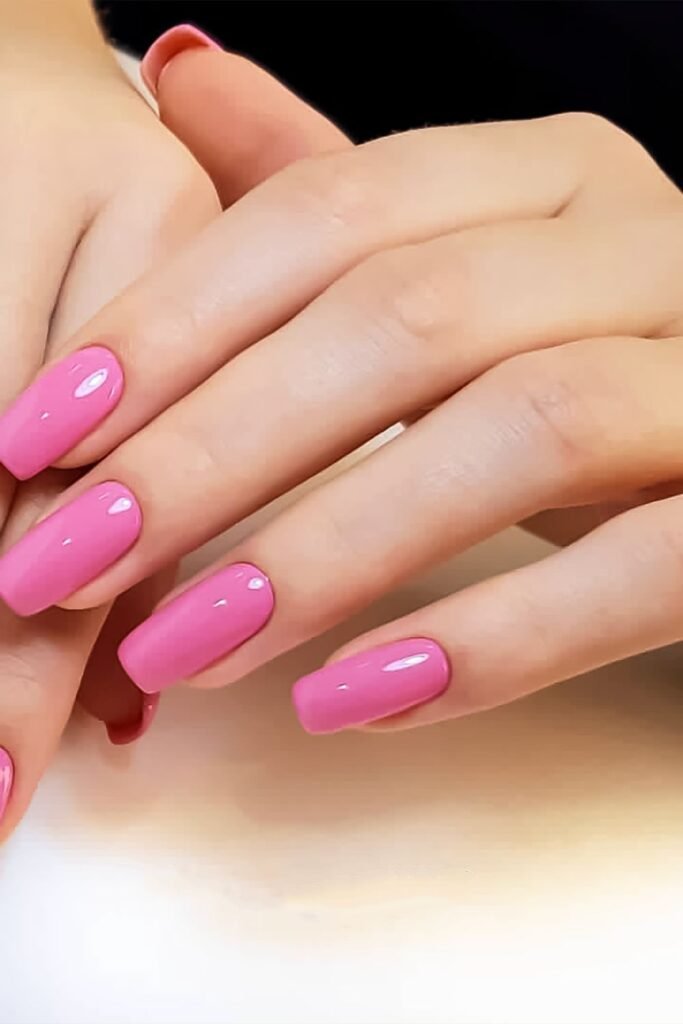
A polish can look beautiful in the bottle and completely different once it is on your hand. Maybe a nude turns strangely gray, a pink looks too bright, or a red seems to make your skin look washed out. That does not mean you picked a bad color. The shade may be reacting differently with your skin depth and undertone.
Learning how to choose nail color for your skin tone gives you a useful starting point before you spend time painting all ten nails. You will first look at your skin in natural light, work out whether your undertone leans warm, cool, or neutral, and separate that from how light or deep your skin is. From there, you can compare actual polish shades against your hand.
Treat undertone as a guide, not a rulebook. You can wear any color you enjoy. The goal is to understand why two similar shades can create very different effects.
Set aside about 15 to 20 minutes and gather a few colors you already own. You do not need a large polish collection. Comparing only 2 to 4 shades at a time is enough to make the differences much easier to see.
Also read: How to Prep Your Natural Nails Before Applying Press-Ons So They Actually Stay On
Check your skin in natural daylight
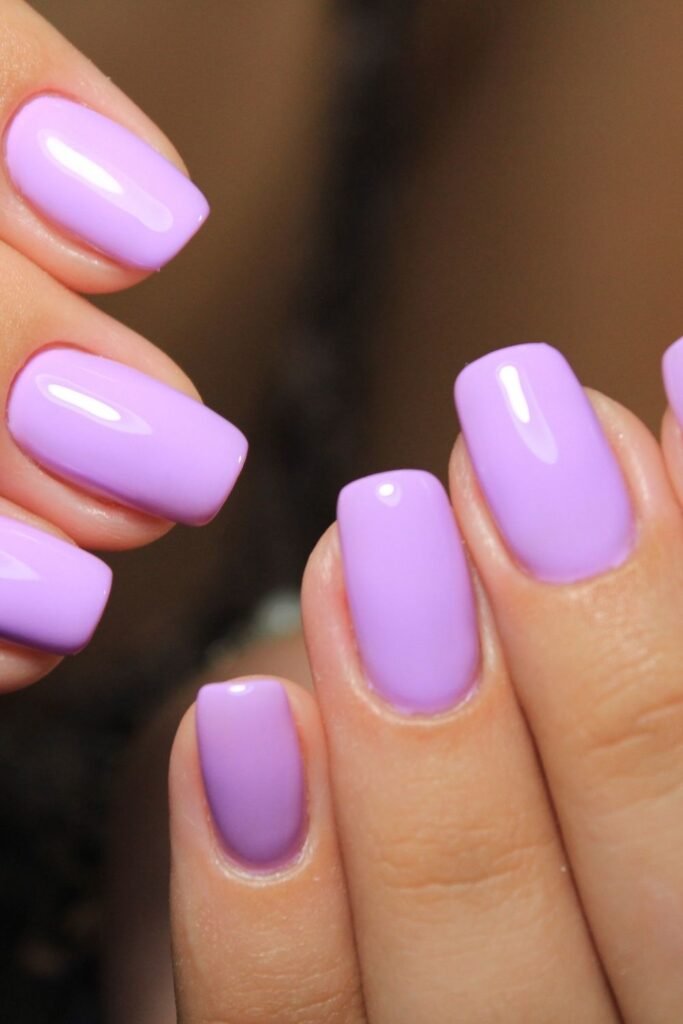
Stand beside a window during the day and hold your bare hand where the light reaches it without a strong beam of direct sun. Avoid checking under yellow bathroom bulbs or cool LED lights because they can shift the way both your skin and polish colors appear.
Remove any colored polish first if it distracts your eye. Look at your hand for about 20 to 30 seconds and notice its overall coloring before comparing individual shades.
Identify your warm, cool, or neutral undertone
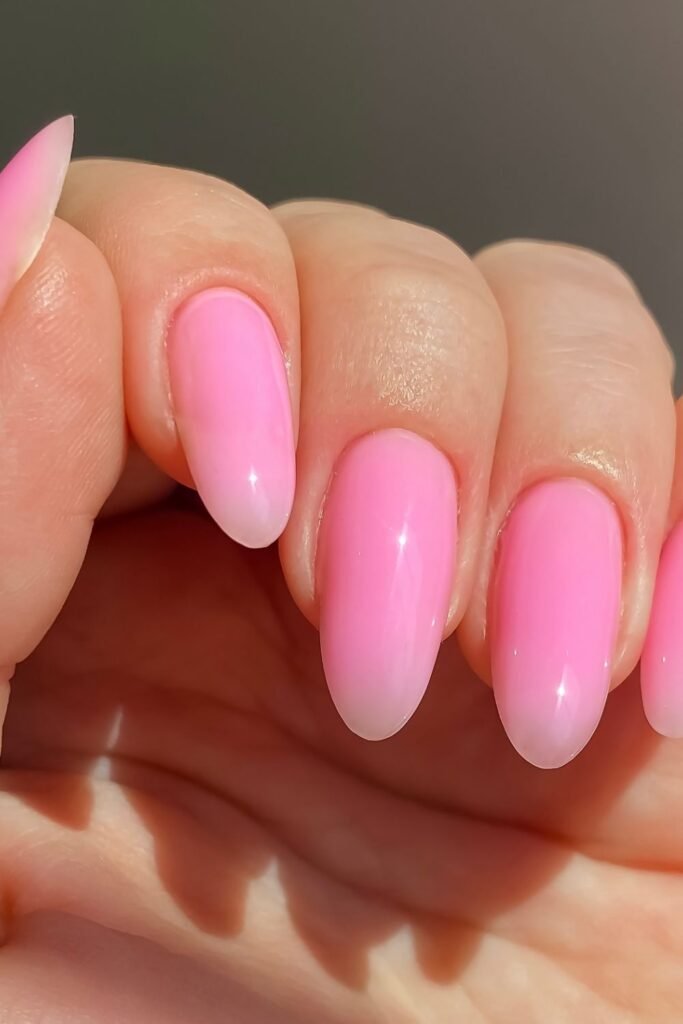
Use several clues instead of relying on one test. Look at the veins around your wrist, compare gold and silver jewelry against your hand, and hold a piece of bright white fabric beside cream or ivory fabric.
Warm undertones often lean golden, peachy, or yellow. Cool undertones may appear pink, rosy, or bluish. If neither direction stands out clearly, you may have a neutral undertone.
Separate your skin depth from your undertone
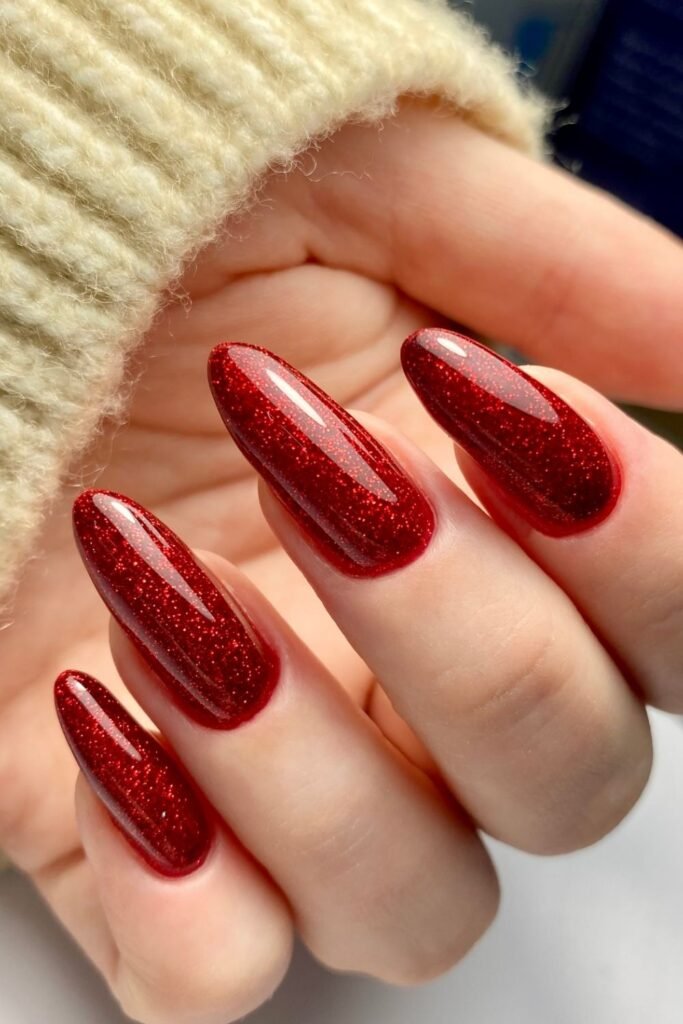
Describe how light or deep your skin looks separately from its warm, cool, or neutral cast. Skin depth may fall anywhere from very fair through light, medium, tan, deep, and very deep.
Two people can have the same medium skin depth but completely different undertones. One may lean golden while the other looks cooler or more neutral. Keeping those two traits separate makes it much easier to understand why the same polish can look different on two hands.
Choose nail color for skin tone using your undertone
Use your undertone as the first filter when you compare similar shades. Warm undertones often pair well with peach, coral, terracotta, warm nude, caramel, orange-red, and golden brown. Cool undertones often work well with mauve, berry, blue-red, rosy nude, plum, and cool pink.
Neutral undertones can usually move between both groups more freely. Keep in mind that these are starting points, not rules. If a color looks good against your hand, that matters more than the category on the bottle.
Pick nude shades that do not disappear
Look for a nude that is a little lighter, deeper, warmer, or cooler than your skin rather than matching it exactly. The small contrast keeps the manicure visible and intentional.
For warm undertones, try beige, caramel, peach, or honey-based nudes. Cooler undertones may suit rosy beige, pink nude, taupe, or mauve-leaning shades. Neutral undertones can test both families.
Hold the bottle beside your fingers first. If the shade makes your skin look gray, overly yellow, or washed out, compare it with another nude before painting all ten nails.
Match red polish to your undertone
Start by comparing the red’s base rather than how dark it looks. A warm red usually leans toward tomato, coral, orange, brick, or rust. A cool red leans toward cherry, berry, wine, cranberry, or blue-red.
Paint one warm red and one cool red on separate swatch sticks or nails if you cannot decide from the bottle. Check them in daylight from about arm’s length. Pick the one that makes your skin look clearer and more balanced to your eye rather than forcing yourself to follow a strict undertone rule.
Compare pink and coral shades against your hand
Place two or three pink-family shades beside your fingers before choosing one. Cooler skin often pairs nicely with rose, mauve, raspberry, and blue-based pinks, while warmer skin can look balanced with peach, salmon, coral, and warm blush tones.
If your undertone is neutral, compare both directions. Look at the shade against your whole hand rather than one fingertip. A color that seems too bright up close may look much more balanced from a normal viewing distance.
Test dark and bold colors before committing
Try deep shades on one or two nails first. Burgundy, plum, navy, chocolate, forest green, and black can shift dramatically once they sit against your skin.
Look at the test nails in daylight, indoor light, and from about arm’s length. Dark colors create more contrast than pale shades, so undertone matching becomes less important than the overall effect. If the color makes your hands look dull to your eye, compare it with a slightly warmer, cooler, or softer version.
Swatch two or three shades side by side
Paint 2 to 3 candidate colors on separate nails or plastic swatch sticks and let them dry fully. Wet polish can look darker, shinier, or more saturated than the finished color, so wait about 10 to 15 minutes before comparing.
Keep all the swatches under the same light. Look for the shade that makes your skin appear even and balanced without disappearing into it.
Choose the shade that makes your hands look balanced
Use the swatches as your final decision instead of relying only on undertone rules. Hold your hand at a normal viewing distance and look at the overall effect.
The right shade should feel intentional against your skin rather than making you focus on a gray cast, too much yellow, or an awkward contrast. If two colors both look good, choose based on the mood you want. One may feel softer and more natural, while another gives you stronger contrast.
Your favorite color does not have to match a beauty rule. If you love the way a shade looks on your hands, that is a good enough reason to wear it.
Frequently Asked Questions
How do I choose nail color for my skin tone?
Start by identifying whether your undertone looks warm, cool, or neutral. Then compare a few polish shades from the same color family directly against your hand. Natural daylight gives you the clearest comparison.
What nail colors look good on warm skin tones?
Warm undertones often pair well with peach, coral, caramel, warm beige, terracotta, brick red, orange-red, and golden brown. You can still wear cooler colors if you prefer how they look.
What nail colors suit cool skin tones?
Cool undertones often work well with rosy pink, mauve, berry, plum, blue-red, cool nude, cranberry, and wine shades. Test several versions because the depth of the color can change the overall effect.
What nail colors work for neutral undertones?
Neutral undertones can often wear both warm and cool shades comfortably. Try comparing a warm and cool version of the same color, such as peach pink versus rose pink, and choose the one you prefer.
How do I find the right nude nail polish?
Pick a nude that has some contrast with your skin. Try going slightly lighter, deeper, warmer, or cooler instead of matching your skin exactly. A little contrast keeps the manicure visible.
Find the Nail Colors That Work for You
Once you know how to choose nail color for skin tone, shopping for polish becomes much less confusing.
Use undertone and skin depth as starting points, then compare the actual shade against your hand in natural light. A quick side-by-side swatch often tells you more than the bottle ever will.
There is no color you are banned from wearing. The best shade is the one that looks balanced to you and fits the style you want.
Save this guide to Pinterest so you can check your undertone and color options before your next manicure.