Strong nails usually come from what you do every day, not from one treatment used once in a while. Small nail care habits can make a big difference in how your nails look, feel, and grow. If your nails keep peeling, splitting, bending, or breaking at the edges, your daily routine may be working against them without you realizing it.
This guide focuses on habits that are realistic for beginners. You do not need a long manicure routine or a drawer full of products. Most of the work takes only a few minutes, and several habits fit naturally into things you already do, such as washing your hands, getting ready for bed, or cleaning your home.
The goal is to reduce avoidable damage while keeping your nails and the skin around them comfortable and well cared for. You will learn how to keep your nails clean without over-soaking them, add moisture where it matters, and use cuticle oil in a way that is practical enough to repeat.
Start with the first three habits below. Once they feel normal, the rest of the routine becomes much easier to maintain.
1. Keep Your Nails Clean and Dry

Wash around and under your nails with mild soap during normal handwashing, then dry your fingertips well with a clean towel. Pay extra attention to the skin along the sides and under the free edge.
Avoid leaving your nails wet for long periods. Nails absorb water and can swell slightly, then contract as they dry. Repeating that cycle often can make already weak nails more likely to peel or split.
Also read: How to Get Perfectly Straight French Tip Lines
2. Moisturize Your Nails and Cuticles Every Day
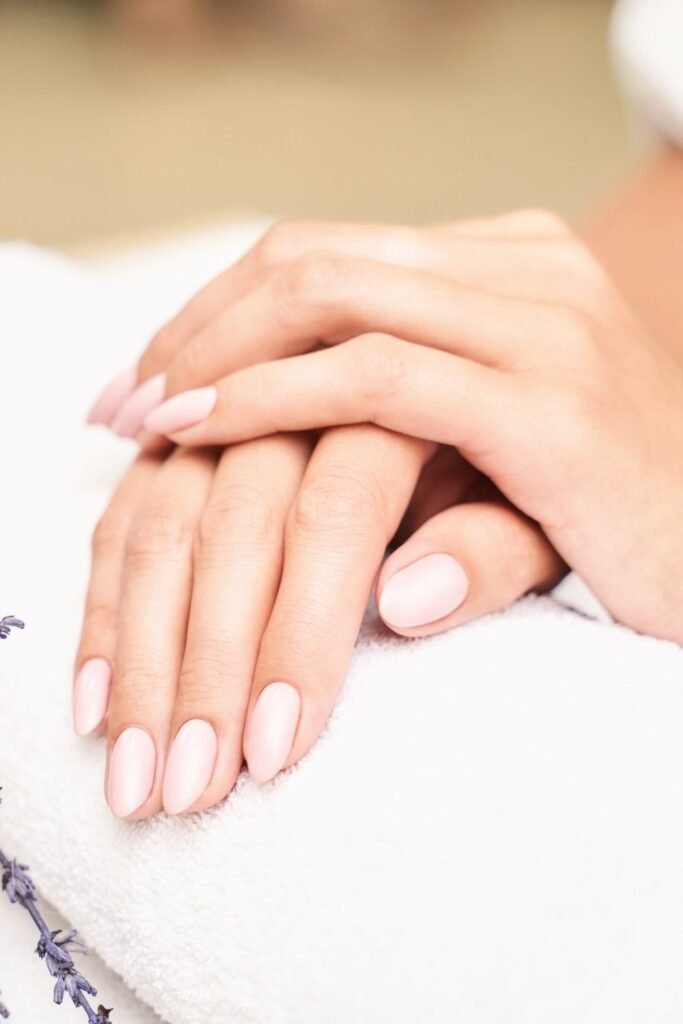
Rub hand cream over your fingertips whenever your hands feel dry, especially after washing. Spend about 20–30 seconds massaging a small amount across each nail plate and the skin around it.
You do not need a separate nail cream. A basic fragrance-free hand cream can work well. Keep one near your sink or beside your bed so you are more likely to use it. Regular moisture helps prevent the dry, rough skin that often leads to picking and torn cuticles.
3. Apply Cuticle Oil Before Bed
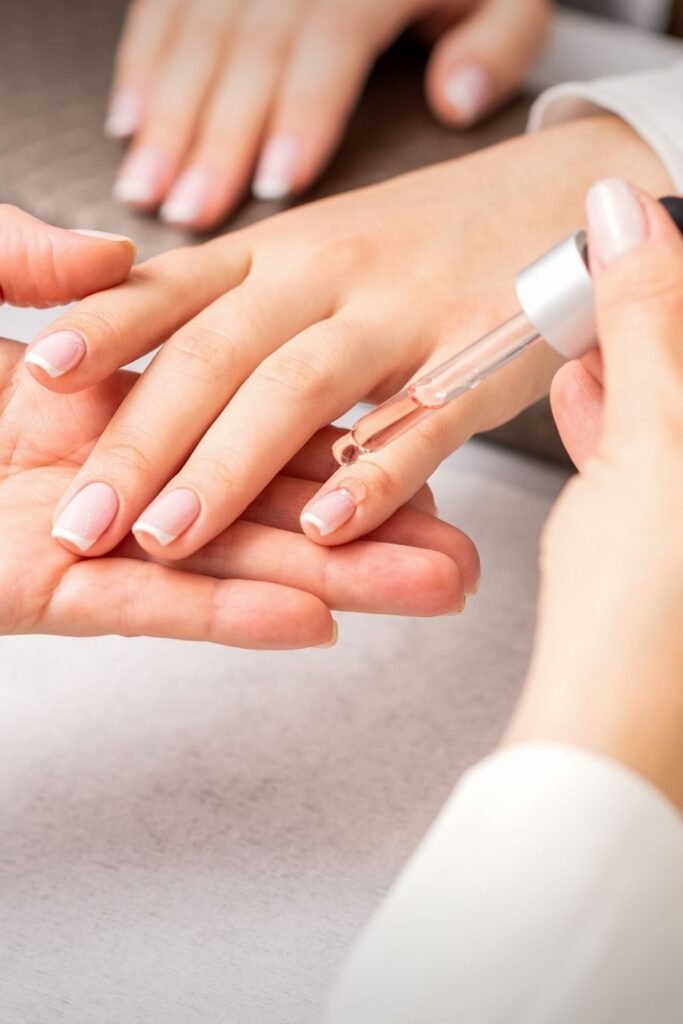
Place one small drop of cuticle oil at the base of each nail before you go to sleep. Massage it around the cuticle line and along both sides of the nail for about 30 seconds per hand.
A little goes a long way. If your fingers feel greasy several minutes later, use less the next night. Jojoba-based oil is a common option, but a small amount of plain almond or coconut oil can also work if that is what you already have.
4. File Your Nails in One Direction
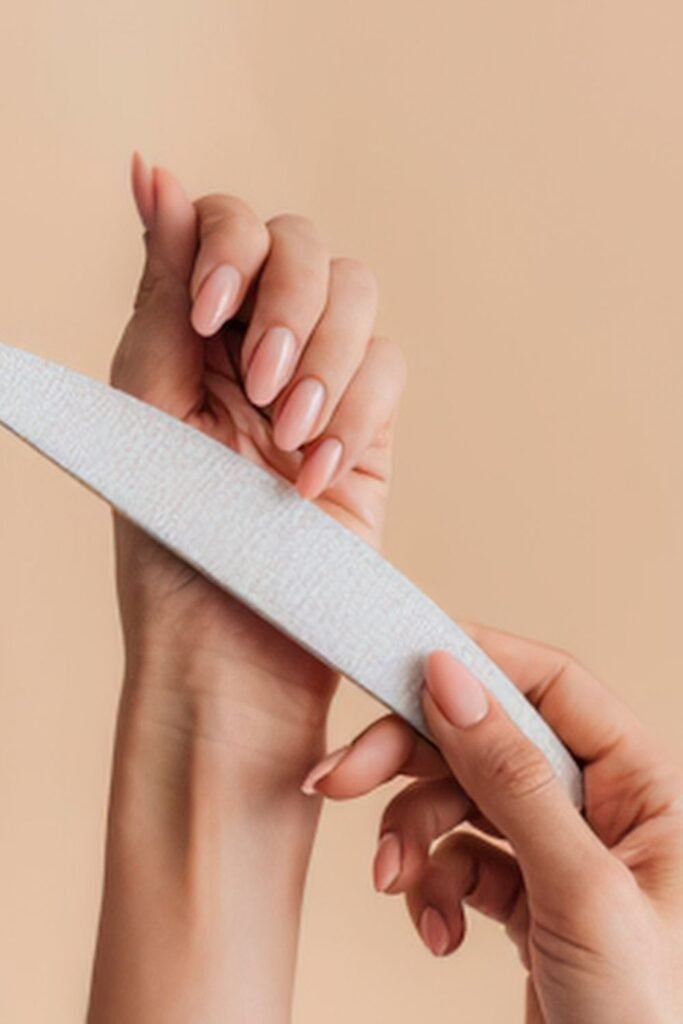
Start at one outer edge and move the file toward the center using light, controlled strokes. Repeat from the other side rather than dragging the file back and forth across the tip. A 180–240 grit nail file works well for most natural nails because it is fine enough to shape without being overly rough.
Use very little pressure. If you can feel the nail bending as you file, lighten your grip. Stop once the edge feels smooth when you run a fingertip across it.
5. Choose a Nail Shape That Resists Breakage
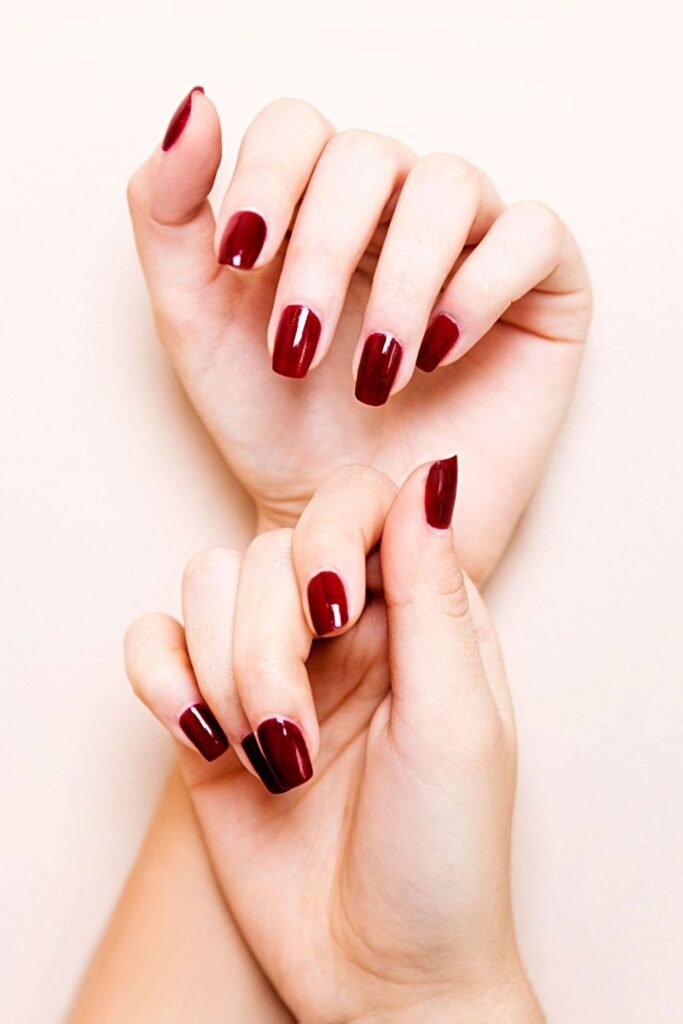
Look at where your nails tend to crack before deciding on a shape. For beginners with nails that break at the corners, a short round or squoval shape is often easier to maintain than long, sharp corners.
Keep the sides fairly straight and soften the corners slightly. You do not need to copy the exact shape of every nail. Aim for a balanced look that follows your natural nail bed and leaves no sharp points that can snag.
6. Trim Your Nails Before They Become Too Long
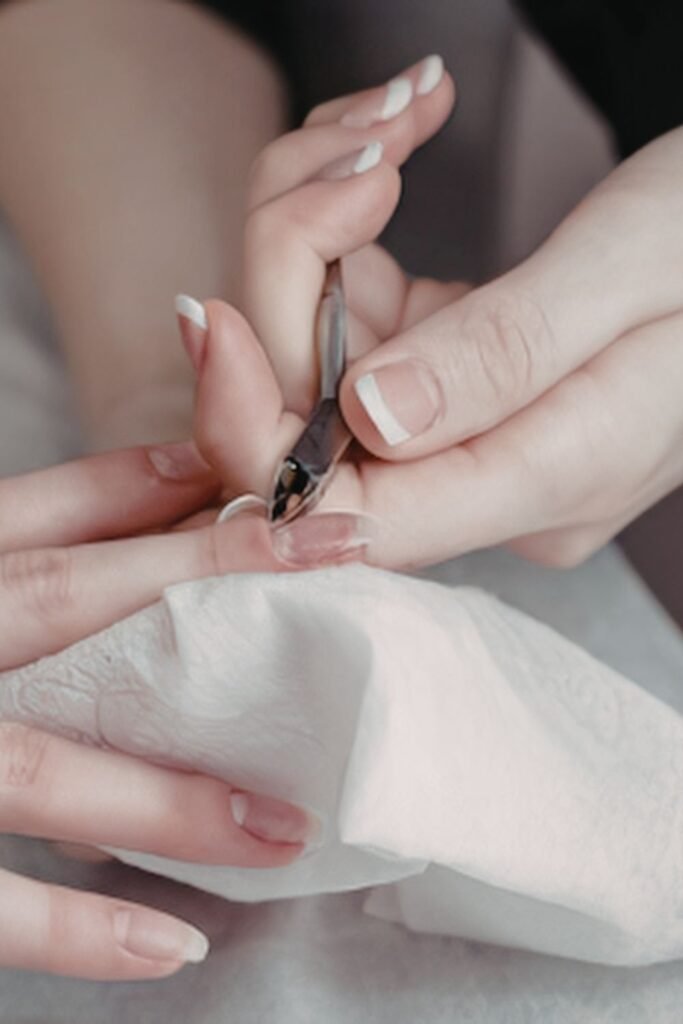
Clip your nails when the extra length starts making everyday tasks uncomfortable or when the tips begin bending easily. For nails that break often, keeping about 1–2 mm of free edge beyond the fingertip can make them easier to manage.
Make several small cuts instead of forcing the clipper through the whole nail in one hard squeeze. Leave a little room for filing afterward. If your nails are very brittle, avoid trimming them immediately after a long bath or shower when they have absorbed a lot of water.
7. Leave Your Cuticles in Place
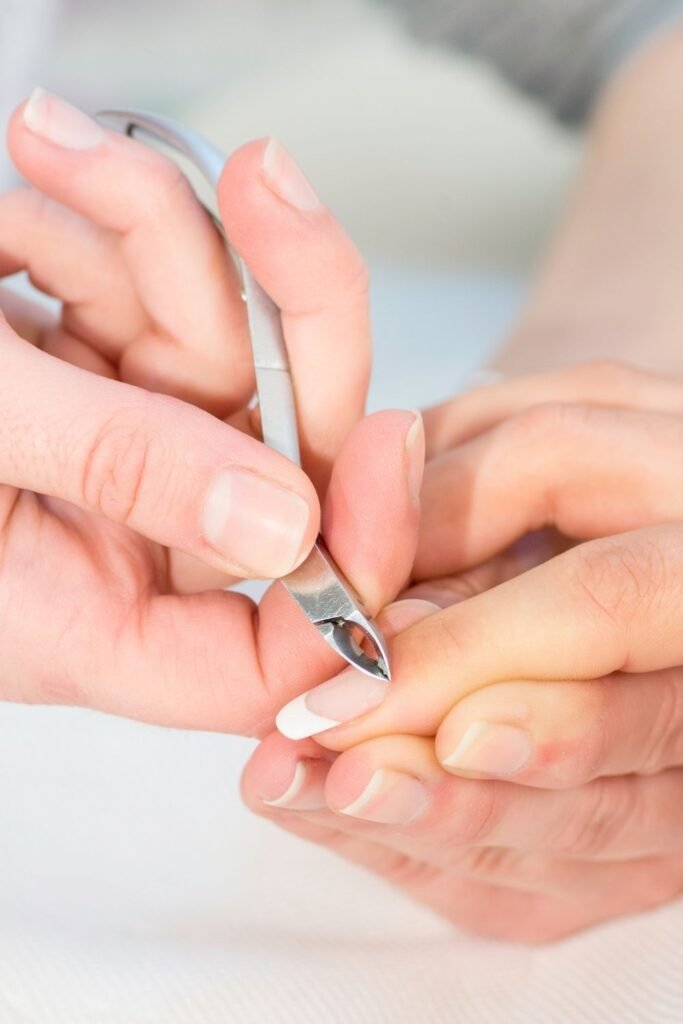
Resist cutting the thin strip of skin at the base of your nails during home manicures. Your cuticles help form a seal between the nail and surrounding skin, so removing too much can leave the area sore or irritated.
If loose, dry skin is bothering you, focus on moisturizing it instead. After applying hand cream or cuticle oil, gently massage the area for 20–30 seconds. Do not pull, bite, or tear skin that is still attached.
8. Wear Gloves for Wet Household Chores
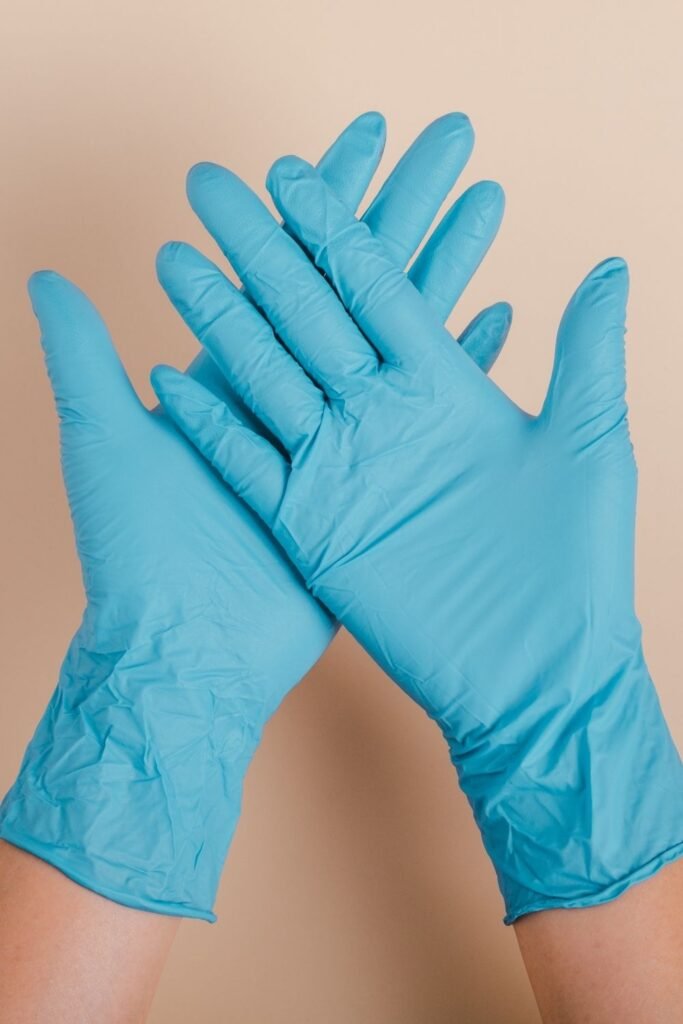
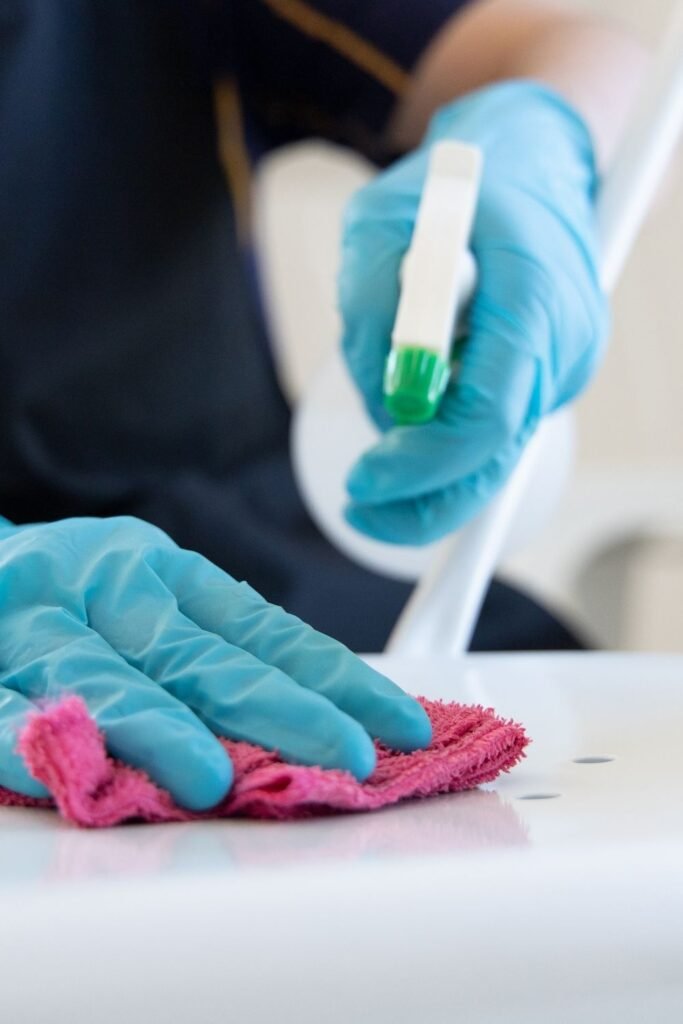
Pull on household gloves before washing dishes, scrubbing the bathroom, or doing another chore that keeps your hands in water for more than a few minutes. This creates a barrier between your nails and repeated exposure to water and cleaning products.
Choose gloves that fit well enough to let you grip things safely. If your hands become sweaty inside them, take the gloves off once the job is finished and dry your hands thoroughly. Keep a pair near the sink so this habit takes almost no planning.
9. Protect Your Nails During Hands-On Tasks
Use the proper tool instead of your fingernails when opening cans, peeling labels, scraping surfaces, or prying apart small objects. Even strong-looking nails can bend or crack when pressure is concentrated at the tip.
Before starting a hands-on task, notice if you are about to use a nail as a scraper, wedge, or lever. Reach for a coin, plastic scraper, letter opener, or another suitable household tool instead. This small change can prevent the sudden breaks that undo weeks of careful nail growth.
10. Limit Long Soaks in Water
Keep long baths, swimming sessions, and other extended water exposure from becoming an everyday event for your nails. Natural nails can absorb water, which makes the nail plate swell. As it dries, it contracts again. Frequent cycles can be hard on nails that already peel or split.
After swimming or bathing, pat your hands and nails dry rather than leaving them damp. Apply hand cream once they are dry if the skin around your nails feels tight.
11. Remove Nail Polish Gently
Soak a cotton pad with nail polish remover and press it against the nail for about 10–15 seconds before wiping toward the tip. Giving the remover time to loosen the polish means you can use fewer hard rubbing motions.
For stubborn color, repeat with a fresh section of the pad instead of scraping polish away with another nail. If regular remover leaves your fingertips very dry, try an acetone-free remover for standard polish. Acetone may still be needed for some harder-to-remove products.
12. Give Your Nails Breaks From Harsh Nail Products
Pay attention to how your natural nails feel between manicures. If they become unusually thin, rough, sore, or start peeling after repeated polish, gel, glue-on nails, or removal sessions, leave them bare while the irritated skin and damaged nail grow out.
During that time, keep the routine basic. Moisturize regularly, keep the nails at a manageable length, and avoid picking at leftover product. A break is especially useful when continuing your normal manicure routine would require more scraping, buffing, or repeated remover use.
13. Stop Biting and Picking at Your Nails
Notice the moments when your fingers move toward your mouth or start picking at rough edges. Biting shortens the nail unevenly, while picking can peel away thin layers of the nail plate or damage the skin around it.
Keep a fine nail file nearby so you can smooth a snag instead of pulling at it. If biting happens without much thought, a bitter-tasting nail coating may help remind you to stop. Covering a tempting rough spot with a small bandage can also help while it grows out.
14. Check Your Nails for Changes Each Week
Take about 1 minute once a week to look closely at your bare nails and the surrounding skin. Check for new changes in color, shape, thickness, texture, or the way the nail attaches to the skin.
Minor differences can happen after an injury or manicure, so do not assume every mark means something is wrong. Pay more attention to changes that persist, worsen, cause pain, or affect several nails. If something unusual does not grow out or improve, consider asking a healthcare professional or dermatologist about it.
15 Follow Your Nail Care Habits Consistently
Choose a few actions you can repeat without turning nail care into a long routine. Moisturize after handwashing, use cuticle oil at bedtime, wear gloves for wet chores, and keep a file nearby for rough edges.
You do not need perfect nails every day for these nail care habits to work. Focus on protecting your nails from repeated damage and giving them time to grow. Fingernails grow slowly, so visible improvement may take several weeks. Take a photo every 4 weeks if you want an easy way to compare your progress.
FAQ
How often should I follow these nail care habits?
Most of the protective habits can become part of your daily routine. Moisturize after washing your hands, apply cuticle oil once a day, and protect your nails during chores. Filing, trimming, and closer nail checks only need attention when necessary. Consistency matters more than spending a long time on nail care.
How long does it take to see stronger, healthier nails?
You may notice less dryness around your nails within a few days, but damaged nail plates need time to grow out. Fingernails grow slowly, so give your routine several weeks before judging the results. Taking a photo every 4 weeks can make gradual changes easier to see.
Should I apply cuticle oil every day?
Daily use works well for many people, especially if the skin around the nails becomes dry. One small drop per nail is usually enough. Massage it around the cuticle and sides of the nail. If daily use feels too greasy, apply it before bed so it can stay on while you sleep.
Is filing better than clipping weak nails?
Both can have a place in your routine. Clippers are useful when you need to remove noticeable length, while a fine file gives you more control over shaping and smoothing small rough edges. If your nails split easily, avoid tearing or peeling away damaged sections with your fingers.
Should I cut my cuticles to make my nails look cleaner?
Avoid routinely cutting the cuticle itself. It helps protect the area where the nail grows from the skin. Moisturizing the area can keep it looking neat without aggressive cutting. If you have loose skin beside the nail, do not pull or bite it.
Keep Your Nail Care Routine Going
Healthy-looking nails do not require a complicated routine. The biggest change often comes from repeating small nail care habits and avoiding the little things that cause damage day after day.
Keep your nails protected, add moisture regularly, and deal with rough edges before you start picking at them. Give new nail growth time to show the difference.
Once these habits feel natural, you can build a manicure routine around them without losing the healthy foundation underneath.
Save this guide to your Pinterest nail care board so you can come back to the routine whenever your nails need a reset.