First impressions during office interviews rely heavily on strategic wardrobe choices. The right outfit communicates competence before words are spoken. From tailored blazers to structured dresses, each piece serves a purpose. Neutral fabrics and polished accessories create professional foundations. Yet selecting the perfect combination depends on your specific industry and company culture. Understanding these distinctions separates candidates who merely dress well from those who dress intentionally.
How to Choose an Interview Outfit for Your Industry
What makes a winning interview outfit? Industry context shapes every choice. Tech companies embrace smart casual aesthetics, favoring tailored chinos with crisp button-downs and minimal jewelry. Finance demands traditional polish: structured blazers, neutral trousers, and classic pumps create authority. Creative fields welcome personality through color blocking or statement accessories, though professionalism remains paramount.
As fashion consultant Maria Chen notes, “Your outfit communicates before you speak.” Selecting appropriate fabrics matters considerably. Quality cotton blends resist wrinkles during travel. Structured silhouettes convey competence and confidence effectively. Neutral foundations—charcoal, navy, cream—provide versatile backdrops for industry-specific styling details that distinguish candidates memorably.
Also read: 25 Autumn Office Outfit | Autumn
The Corporate Interview: Formal Looks That Command Respect
When stepping into a corporate interview, the dress code becomes your silent introduction to company culture and professional standards. A tailored blazer in navy or charcoal creates an authoritative silhouette. Pair it with structured trousers featuring a crisp crease. A silk blouse in white or soft pastels adds polish without distraction. Classic pumps in leather ground the look professionally. Accessorize minimally: a quality watch and subtle jewelry. “Your outfit should whisper confidence, not shout for attention,” notes styling expert Maria Chen. Invest in pieces that fit impeccably. A well-groomed appearance demonstrates respect for the opportunity and attention to detail that employers value tremendously.
The Tailored Blazer and Trousers: Corporate Foundation
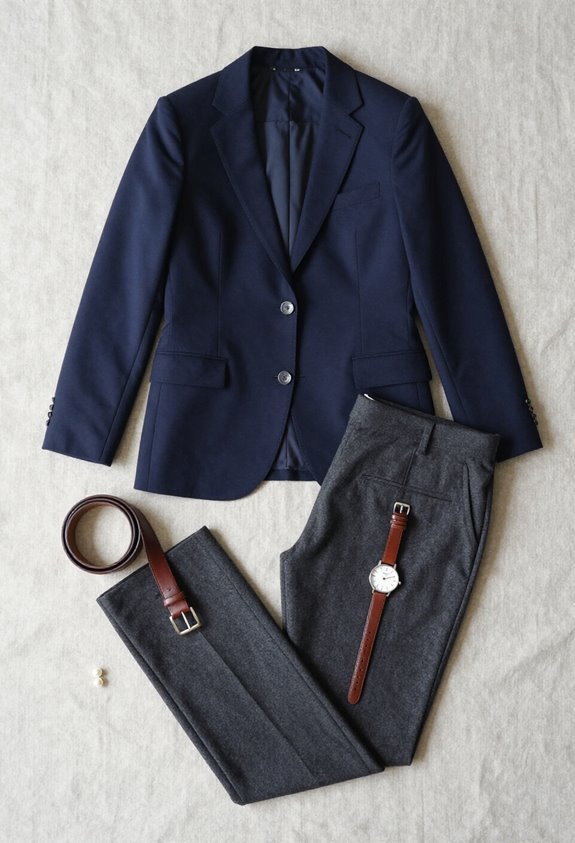
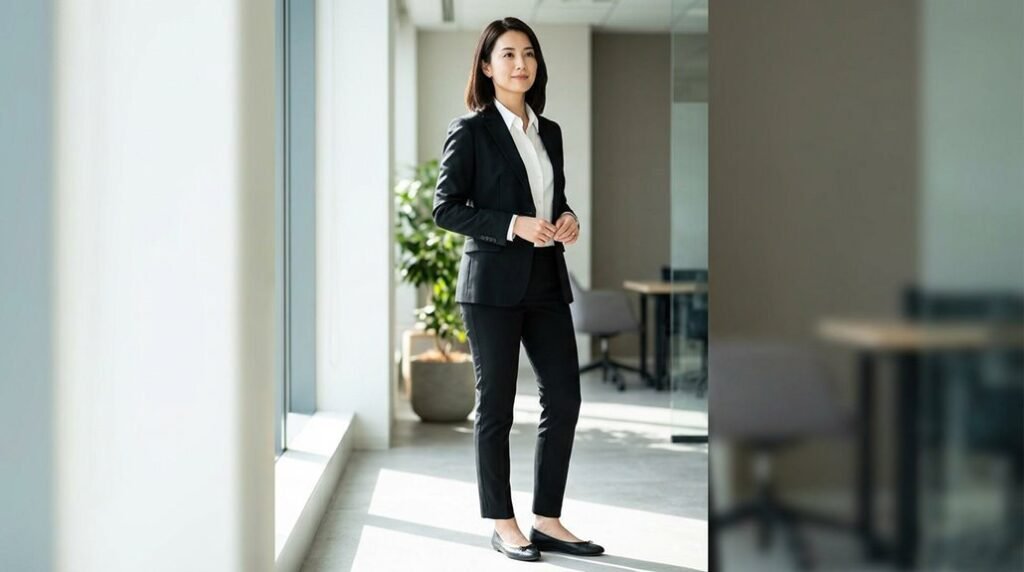
The blazer and trousers form the foundation of corporate polish. A well-fitted blazer creates instant authority and structure. The jacket should skim the body without pulling or sagging at the shoulders. Pair it with tailored trousers that feature a crisp crease and appropriate length, hitting just above the shoe. Classic navy or charcoal options work universally. “The right fit transforms your entire presence,” says fashion stylist Michelle Chen. Consider investing in quality fabrics like wool blends that maintain their shape. Proper tailoring guarantees the silhouette flatters your frame. This combination projects competence and professionalism effortlessly.
The Power Pantsuit in Navy or Charcoal
Confidence wrapped in fabric—that’s what a power pantsuit delivers. Navy and charcoal create a polished foundation that projects authority and competence. A well-fitted jacket with structured shoulders commands attention instantly. Pair it with tailored trousers that have a clean, straight line from hip to hem. The fabric weight matters—choose materials with slight stretch for comfort during long interviews. Style strategically with a crisp white button-down shirt underneath. Add minimal jewelry: simple gold or silver pieces keep focus on professionalism. Fashion expert Sarah Chen notes, “The right pantsuit becomes your armor.” These neutral tones photograph well and photograph well and transcend seasonal trends effortlessly.
The Structured Dress With a Fitted Blazer
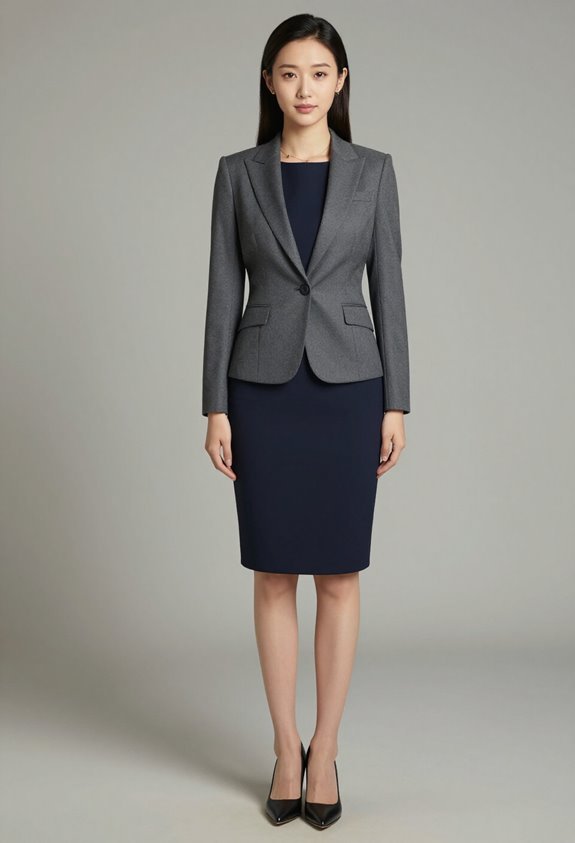
Elegance meets strategy when a structured dress pairs with a tailored blazer. This combination creates a polished silhouette that communicates competence and sophistication. A fit-and-flare dress in navy or black serves as the foundation, offering subtle shape without distraction. Layer a crisp blazer with defined shoulders and a nipped waist to amplify professionalism. The contrast between soft fabric and structured outerwear suggests both approachability and authority. Choose minimal jewelry and a structured handbag to complete the look. As styling expert Rachel Zoe notes, “tailoring is everything.” This ensemble works across industries, projecting quiet confidence and intentional preparation.
The Silk Blouse and Pencil Skirt: Timeless Elegance
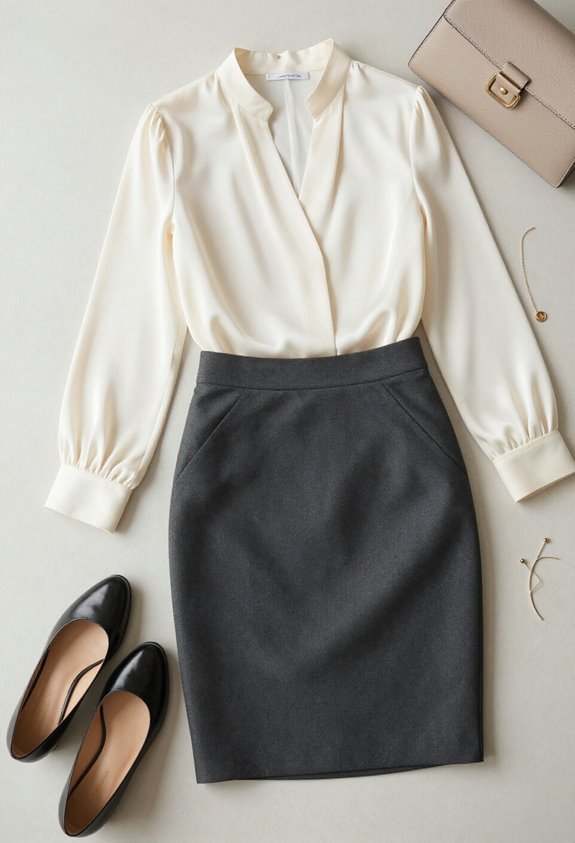
While a blazer commands immediate attention, a silk blouse and pencil skirt offer a more understated path to boardroom credibility. This combination whispers sophistication without shouting. The silk fabric drapes elegantly, creating refined lines that flatter most body types. A crisp white or ivory blouse paired with a charcoal or navy pencil skirt projects polished professionalism. Consider brands like Everlane or J.Crew for quality basics. Layer delicate gold jewelry to add subtle dimension. “The pencil silhouette remains timeless because it creates structured femininity,” notes fashion stylist Margaret Chen. This pairing works across industries. Opt for minimal accessories. The result feels effortlessly confident.
The Skirt Suit for Law, Finance, and Banking
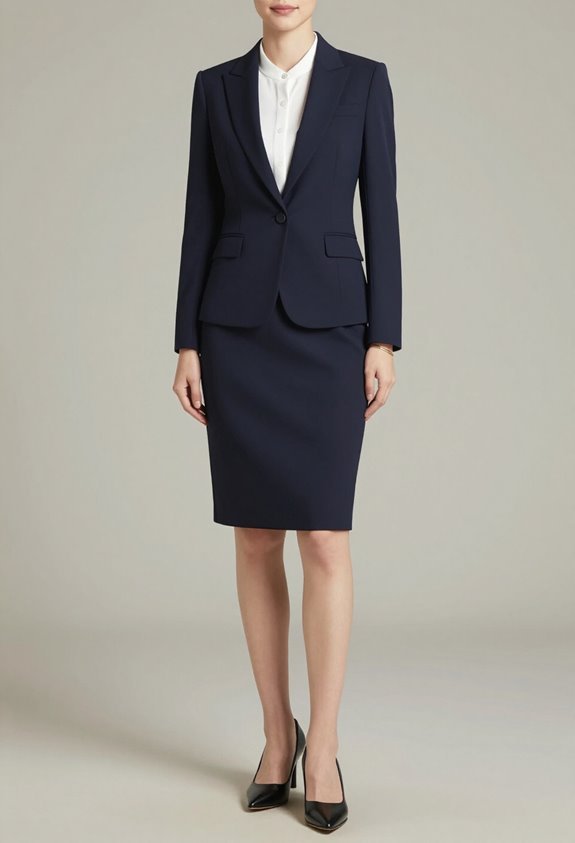
In competitive fields like law, finance, and banking, the skirt suit functions as armor—not decoration. A tailored jacket paired with a matching skirt projects authority and competence simultaneously. Choose structured fabrics like wool blends that maintain crisp lines throughout interviews. Pair with classic pumps in black or navy for grounded sophistication. The Tahari ASL skirt suit delivers boardroom polish at accessible price points. Style with minimal jewelry and a structured leather portfolio. Fashion consultant Margaret Chen notes, “A well-fitted skirt suit communicates that you take the role seriously.” Ascertain proper hemlines at the knee, avoiding extremes. This ensemble remains the gold standard for serious professional environments.
The Crisp White Shirt and Dark Trousers
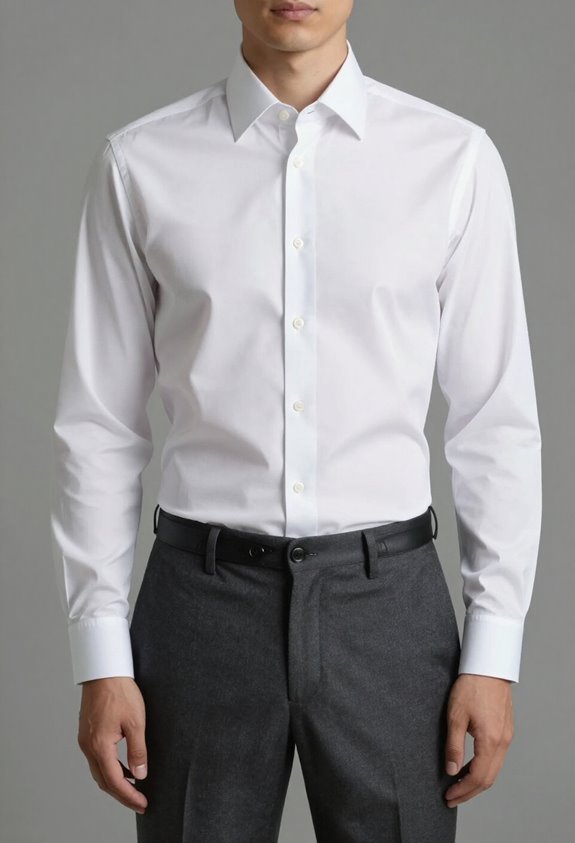
A crisp white shirt paired with dark trousers forms the foundation of polished professional style across industries. The combination projects reliability and competence. Quality matters tremendously here. Look for structured cotton blends that resist wrinkles throughout the day. Tailoring is essential—sleeves should hit the wrist bone precisely. Dark navy or charcoal trousers create sophisticated contrast against white fabric. Choose flat-front styles with clean lines. Style expert Patricia Underwood notes, “Fit transforms ordinary basics into boardroom-ready pieces.” Add a structured blazer for additional authority. Minimal jewelry keeps focus on your polished appearance. This timeless pairing never fails interview settings.
Monochromatic Minimalism: Impact Through Simplicity
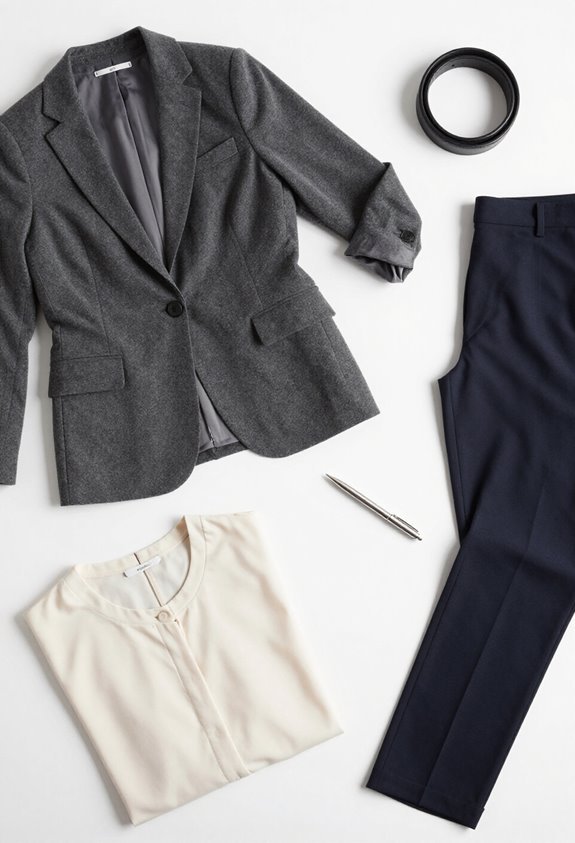
Monochromatic dressing—selecting one color family from head to toe—creates visual impact through intentional simplicity. All-black ensembles project authority and sophistication during interviews. A charcoal blazer paired with matching trousers establishes professional credibility instantly. Neutral tones like beige, gray, and navy offer versatility across industries. Adding texture through fabrics prevents monotony; a silk blouse beneath a wool jacket creates dimension. Fashion stylist Elena Rodriguez notes, “Monochromatic looks elongate the silhouette and eliminate distracting patterns.” Accessories become focal points in single-color outfits. A structured leather belt or minimal jewelry draws attention upward. These streamlined combinations demonstrate confidence and intentional style choices that hiring managers genuinely appreciate.
Earth Tones and Texture: Standing Out in Creative Spaces
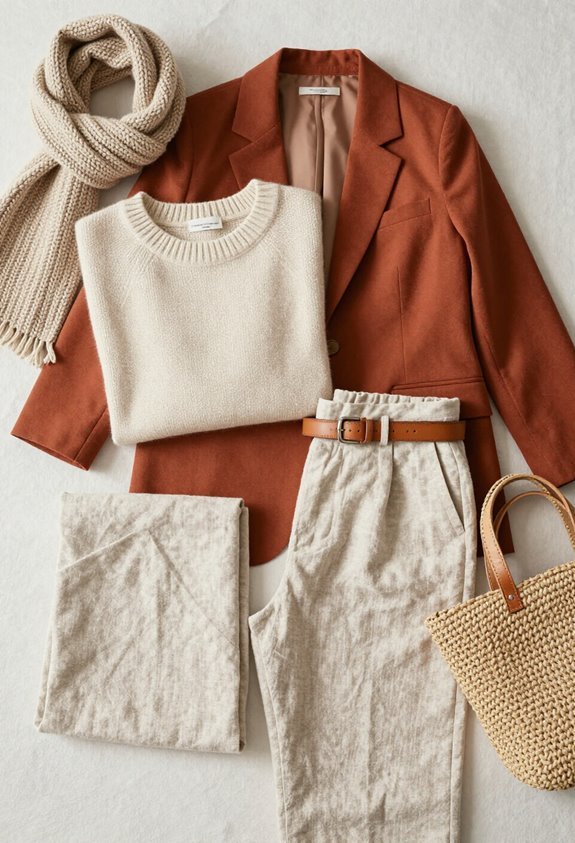
Creative industries demand a different interview strategy than corporate environments. Earth tones project approachability while demonstrating sophisticated taste. A warm caramel blazer paired with textured linen creates dimension without appearing overdone. Layering fabrics—wool, cotton, silk blends—shows intentional styling. Burnt orange or sage accessories add personality. “Color psychology matters tremendously in creative fields,” explains fashion consultant Maria Chen. Suede loafers ground the outfit professionally. Woven belts and natural fiber scarves signal design awareness. A terracotta sweater layered under a neutral dress communicates creative confidence. These combinations suggest candidates understand aesthetics while maintaining workplace appropriateness, making them memorable contenders for creative roles.
The Statement Blazer: Bold Pattern Over Solid Bottoms
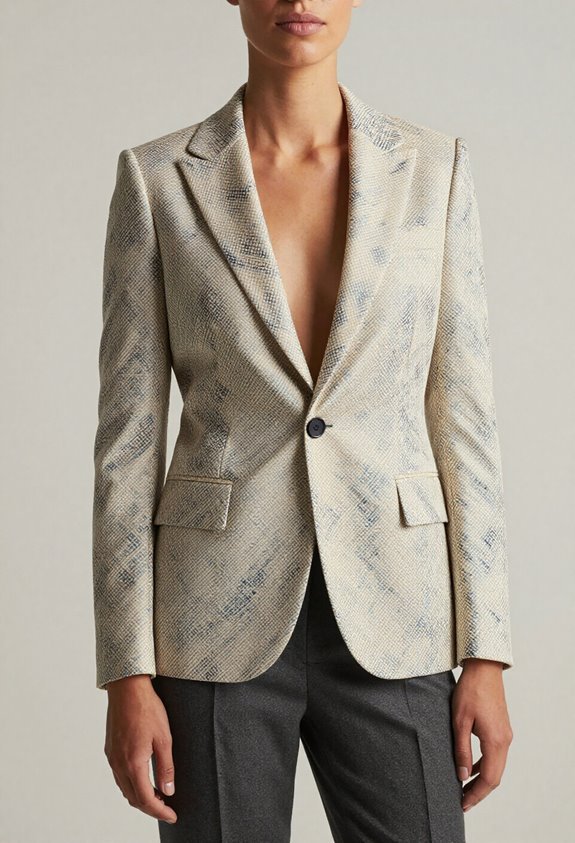
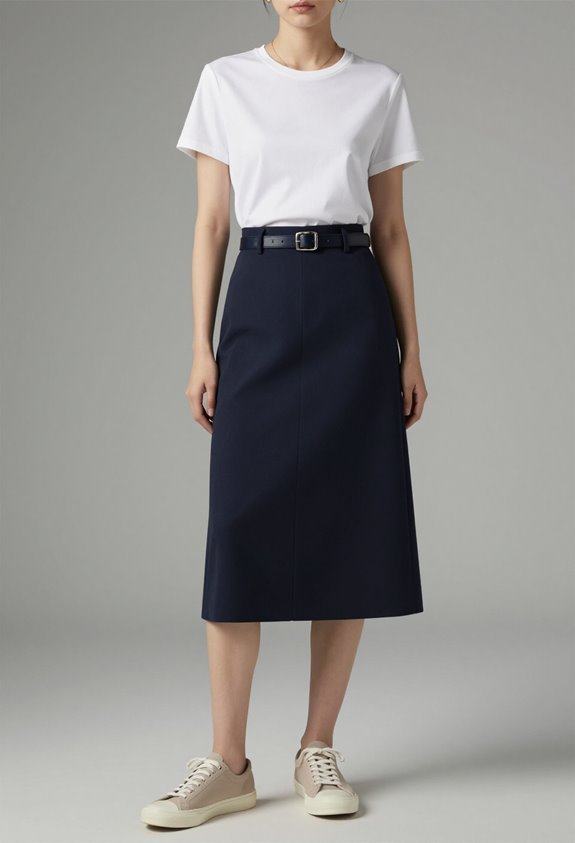
Statement blazers transform interview presentations into memorable moments. A bold geometric or abstract pattern paired with solid neutral bottoms creates visual interest without overwhelming. Consider a classic navy pencil skirt or tailored charcoal trousers as grounding elements.
Pattern selection matters considerably. Opt for designs with 2-3 colors maximum, avoiding overly trendy prints. A structured wool blazer with subtle texture guarantees professional credibility.
Style strategically by letting the blazer remain the focal point. Keep accessories minimal—delicate gold jewelry and a structured handbag complement the look effectively. This approach demonstrates confidence and creative sensibility, positioning candidates as thoughtful professionals who understand workplace aesthetics.
The Wrap Dress: Polished, Flattering, and Professional
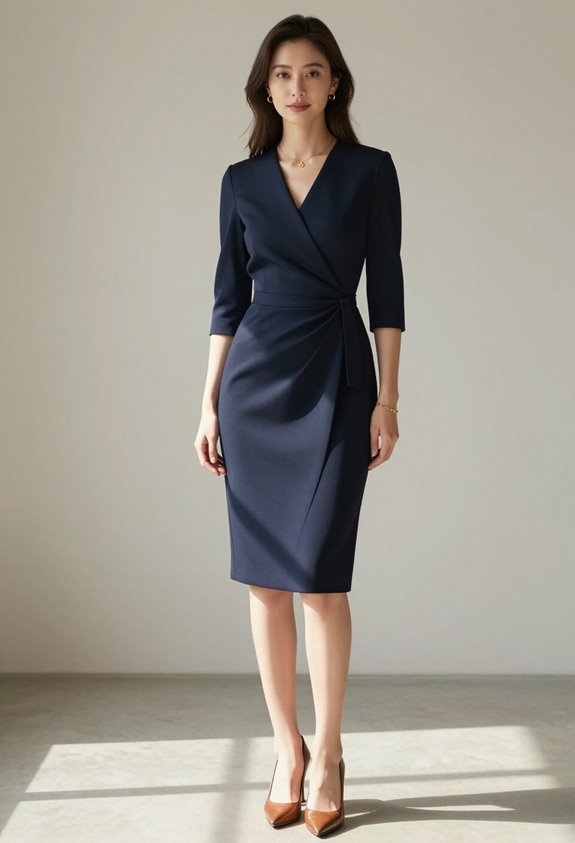
Elegance meets practicality in the wrap dress—a timeless silhouette that candidates can’t overlook for interview success. The wrap dress defines the wearer’s figure while maintaining professional boundaries. Choose solid jewel tones or subtle prints for maximum impact. Pair with structured blazers to amplify authority and polish. Pointed-toe pumps or sleek flats ground the look with sophistication. Style expert Sarah Chen notes, “The wrap dress communicates confidence without demanding attention.” Opt for knee-length or midi variations depending on company culture. Accessorize minimally with delicate jewelry. A structured handbag completes the ensemble. We can’t get enough of how this silhouette flatters diverse body types while projecting boardroom credibility.
Jewel Tones and A-Line Cuts: Modest Authority Without Stiffness
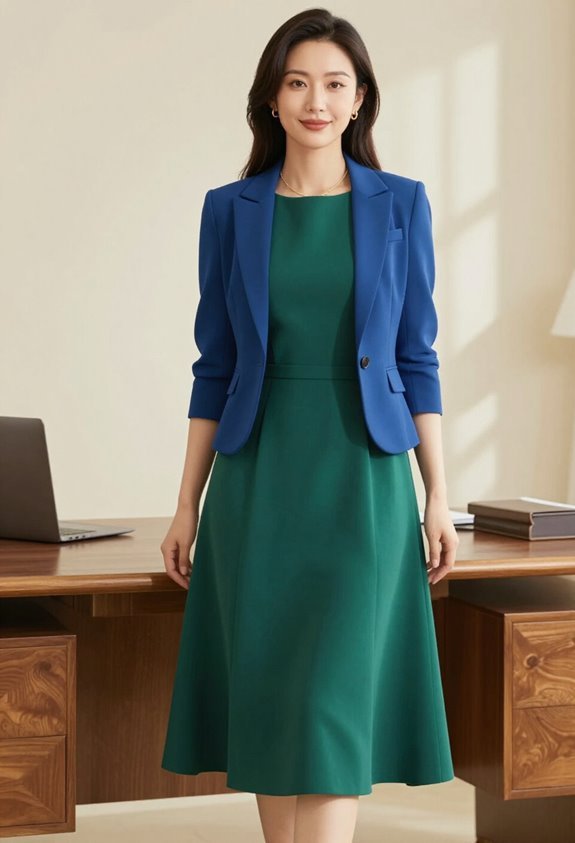
Many candidates overlook how jewel tones paired with A-line silhouettes create quiet authority that feels approachable rather than rigid. Deep emerald, sapphire, and burgundy convey confidence without intimidation. An A-line dress skims the body gracefully, avoiding both tightness and excess fabric. This combination projects competence and sophistication.
Pair a jewel-toned A-line dress with structured blazers for enhanced polish. Neutral pumps ground the look professionally. According to fashion strategist Rachel Zoe, “Jewel tones communicate intentionality and refined taste.” Layer with minimal gold jewelry for dimensional interest. The silhouette flatters diverse body types while maintaining interview-appropriate modesty. This approach balances professionalism with contemporary style sensibility.
The Knit Dress With Elevated Accessories
While jewel-toned dresses command attention through color, knit dresses offer a different kind of sophistication—one built on texture and thoughtful layering. A fitted merino wool dress in charcoal or navy creates an understated foundation. Layer it with a structured blazer in camel or cream for polished dimension. Gold or pearl jewelry elevates the look effortlessly. A leather belt defines the waist while maintaining visual interest. Pointed-toe flats or kitten heels ground the outfit professionally. Fashion stylist Maria Chen notes, “Knit fabrics signal approachability while accessories communicate ambition.” This combination projects quiet confidence. The candidate appears capable yet personable. That balance matters during interviews.
Dark Denim and a Blazer: Professional Without the Suit
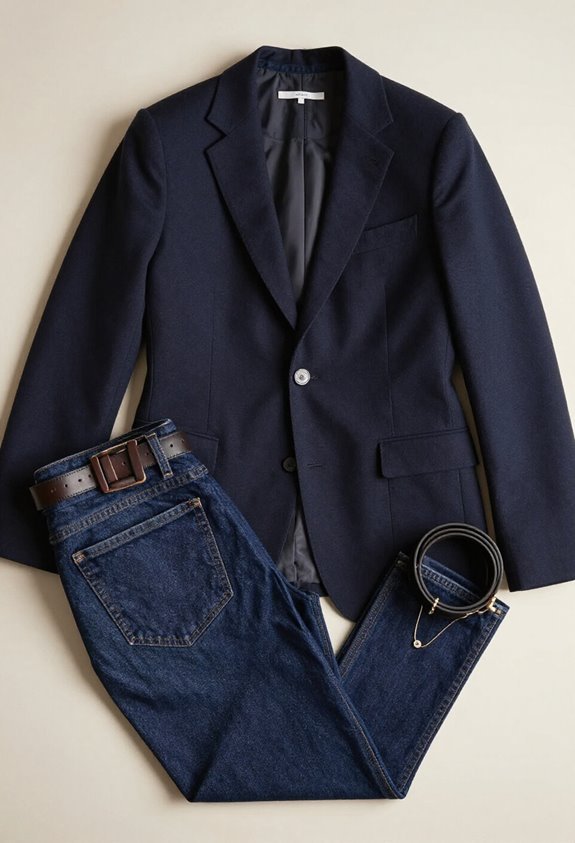
Dark denim consistently proves itself as interview-appropriate when styled with intention and restraint. A tailored blazer elevates dark jeans instantly, creating polish without formality. Choose structured fabrics that hold their shape throughout the day. Pair crisp white button-downs with navy blazers for timeless credibility. Accessorize minimally: simple gold jewelry and leather loafers complete the look professionally. Style expert Maria Chen notes, “Dark denim paired with a structured blazer signals confidence and modern thinking.” Add a leather belt to define the silhouette. This combination balances approachability with competence, making candidates memorable for the right reasons.
Business Casual Foundations: Quality Basics That Work Anywhere
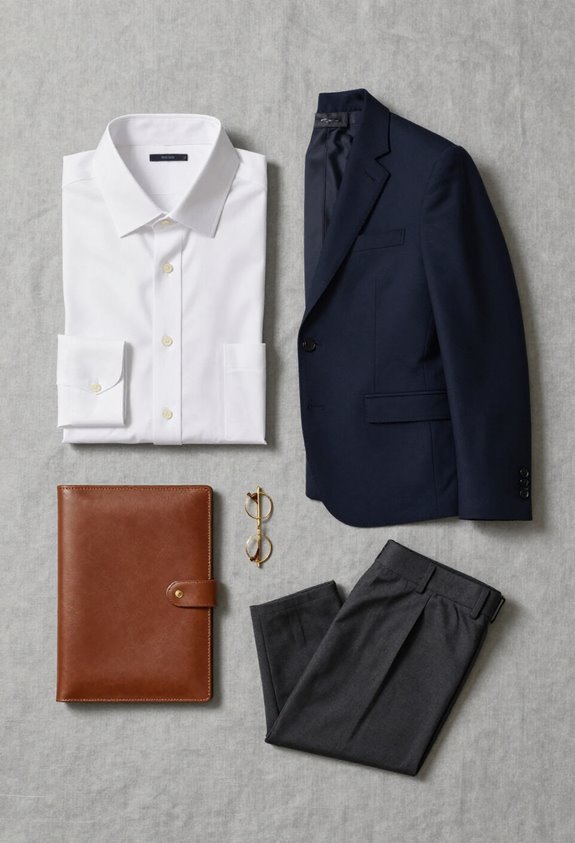
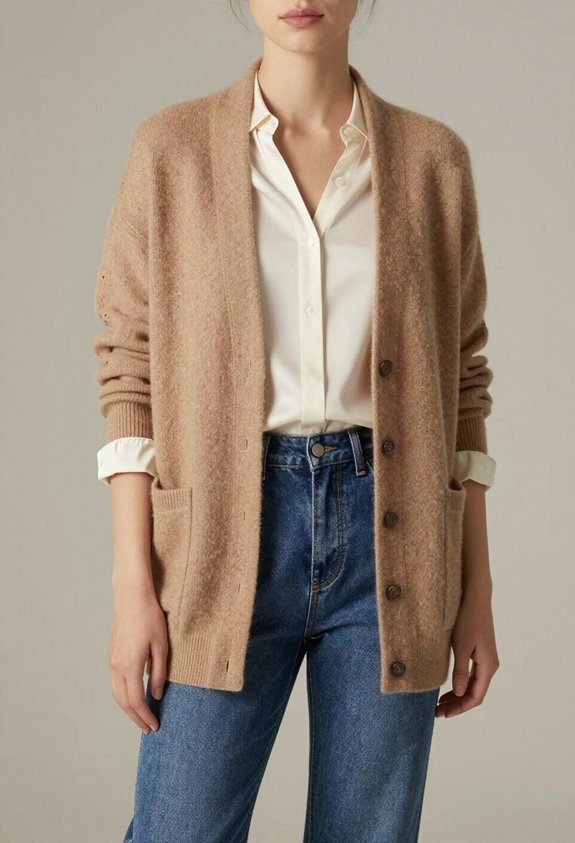
Beyond structured blazers and elevated denim, building a reliable interview wardrobe starts with investing in quality basics that adapt to any professional setting. Crisp white button-downs serve as foundational pieces. A tailored neutral pencil skirt or trousers creates polish instantly. Soft knit sweaters in cream, gray, or navy layer effortlessly over collared shirts, adding dimension without bulk. According to fashion stylist Maria Chen, “Premium basics in neutral tones multiply outfit combinations notably.” Invest in well-fitting essentials rather than trendy pieces. Quality fabrics like cotton blends and merino wool maintain appearance throughout interview days. These foundational pieces work anywhere, combining versatility with understated professionalism that hiring managers consistently appreciate.
The Shift Dress: Modern Minimalism for Forward-Thinking Companies
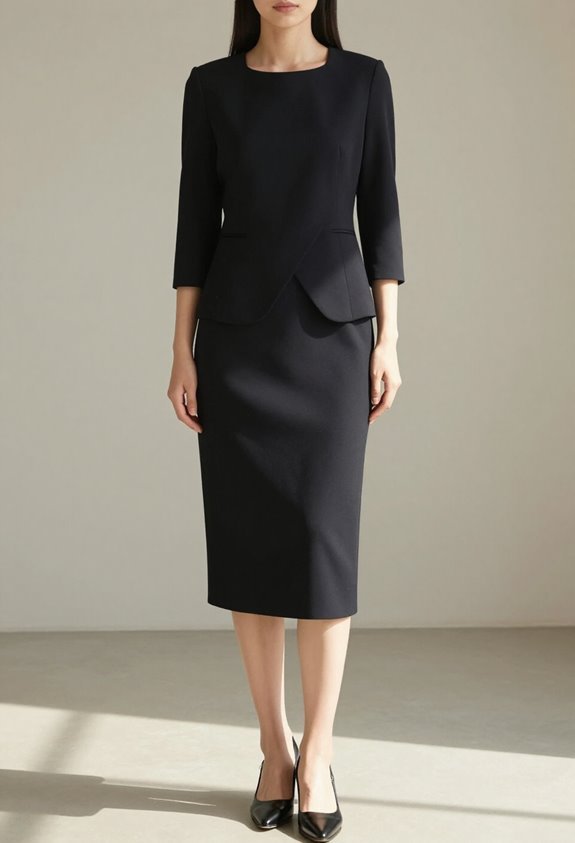
A minimalist silhouette quietly transforms interview preparation for candidates targeting innovative companies. The shift dress eliminates unnecessary details. Clean lines communicate confidence and purposeful thinking. Pair a structured shift in charcoal or navy with pointed-toe flats for grounded sophistication. Layering a structured blazer adds professional authority without overwhelming the dress’s intentional simplicity. Accessories should whisper rather than shout. A delicate gold watch and understated leather portfolio complete the look. Fashion strategist Linda Chen notes, “Minimalism signals that you understand your company’s values.” The shift dress works everywhere from tech startups to creative agencies. It’s interview armor for ambitious professionals.
The Midi Dress With a Sleek Cardigan
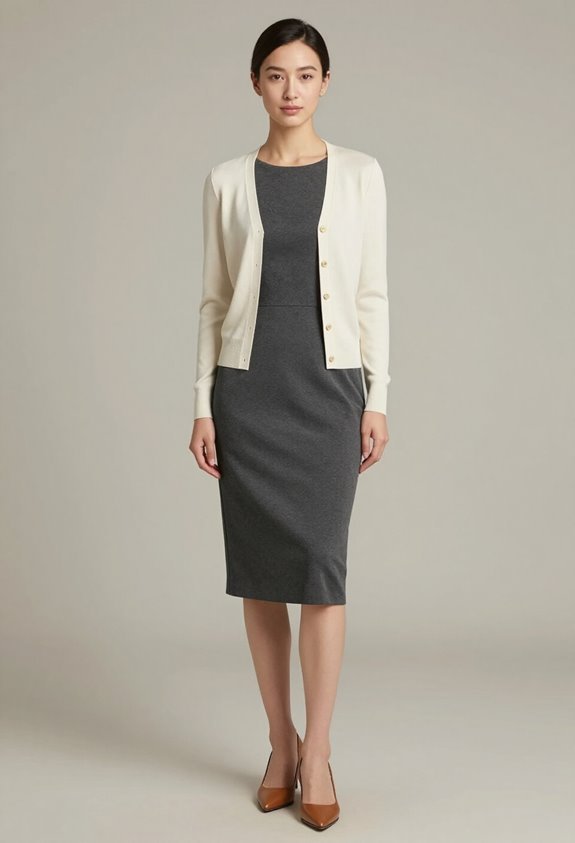
While the shift dress champions minimalism, the midi dress with a sleek cardigan offers polished versatility for interview candidates seeking balance between approachability and authority. This combination works beautifully. The midi silhouette skims the body elegantly without clinging. A structured cardigan—think tailored wool or cotton blend—adds dimension and professional polish. Pair a navy midi with a camel cardigan for timeless sophistication. Accessories matter tremendously. Pointed-toe flats or sleek loafers ground the look. According to fashion strategist Amanda Chen, “This pairing signals both competence and approachability.” A delicate gold necklace and structured handbag complete the ensemble. The result: confident, refined, and interview-ready.
Chinos and a Fitted Top: Polished Without Formality
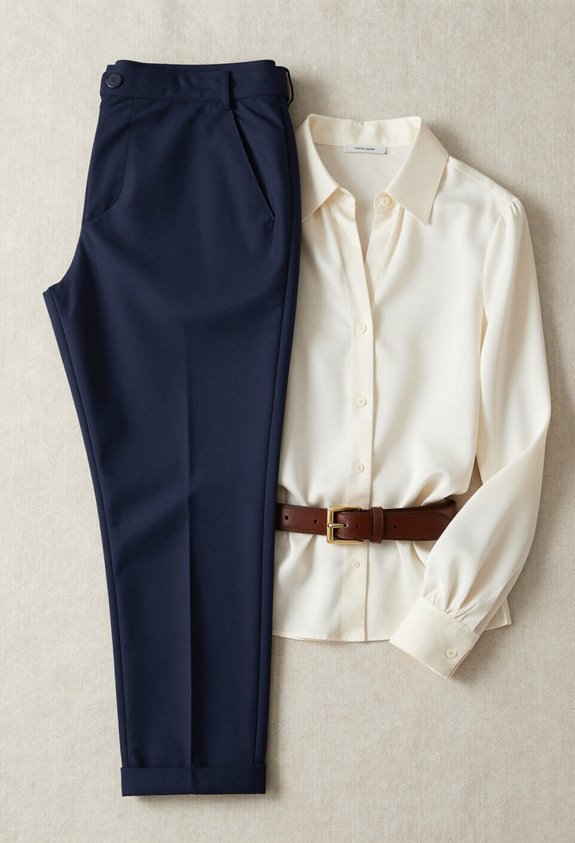
For candidates who want to project competence without appearing overly formal, chinos paired with a fitted top strikes an ideal balance. Tailored chinos in neutral tones—navy, khaki, or charcoal—create a polished foundation. A fitted blouse or sweater adds sophistication while maintaining approachability. This combination works across industries. Layer with a structured blazer for additional gravitas if needed. Quality fabrics matter greatly; cotton blends resist wrinkles during interviews. Styling expert Rachel Chen notes, “Fitted silhouettes convey professionalism without rigidity.” Complete the look with minimal jewelry and clean footwear. The result feels intentional, contemporary, and genuinely professional.
The Layered Look: Vest, Button-Down, and Approachable Authority
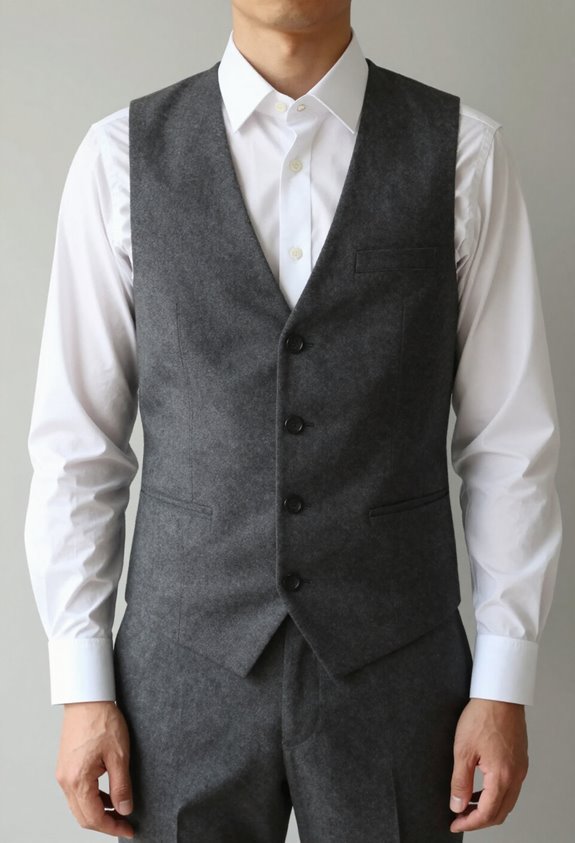
Layering serves as the cornerstone of this interview strategy, transforming basic pieces into a unified statement of competence and warmth. A structured vest worn over a crisp button-down shirt creates immediate visual authority. The vest acts as a polished anchor, establishing professionalism while the shirt provides approachability underneath.
Fashion consultant Sarah Mitchell notes, “Layering signals intentionality and thoughtfulness.” Choose neutral vests in charcoal, navy, or camel. Pair with white or light blue button-downs for maximum versatility. This combination allows candidates to adjust formality by removing the vest if needed, providing strategic flexibility during conversations. The structured silhouette commands respect without intimidation.
The Maxi Skirt and Fitted Top: Modest and Intentional
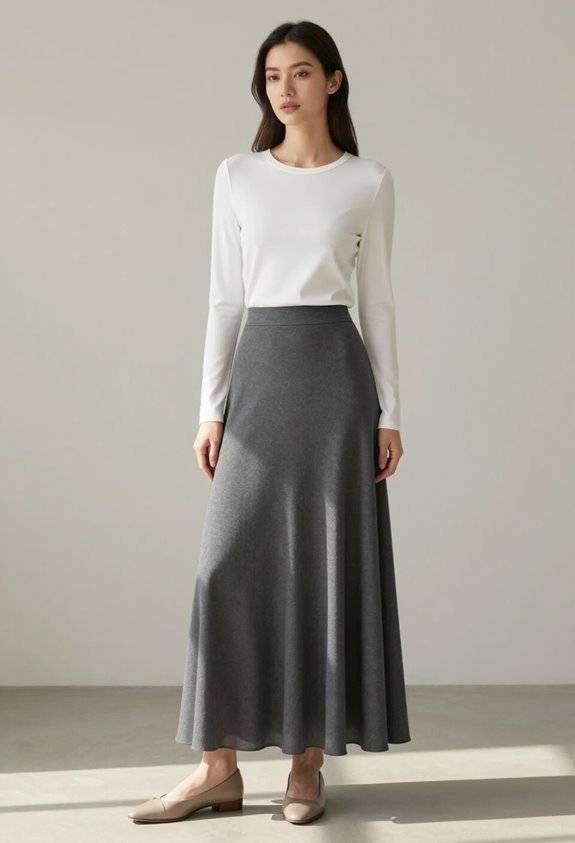
A maxi skirt paired with a fitted top creates an interview look that speaks volumes about intentionality and professional polish. This combination balances modesty with modern sophistication. A structured midi or maxi skirt in neutral tones like navy or charcoal pairs beautifully with a crisp, fitted blouse. Consider fabrics with subtle texture—a silk blend or cotton-linen blend adds dimension without distraction. Layer with a tailored blazer for authority. Pointed flats or minimal heels ground the silhouette. This approach demonstrates thoughtful style choices. Fashion consultant Rachel Chen notes, “Intentional dressing shows confidence in professional settings.” The result: polished, memorable, and undeniably competent.
Polished Simplicity: The Structured Coat and Quality Basics
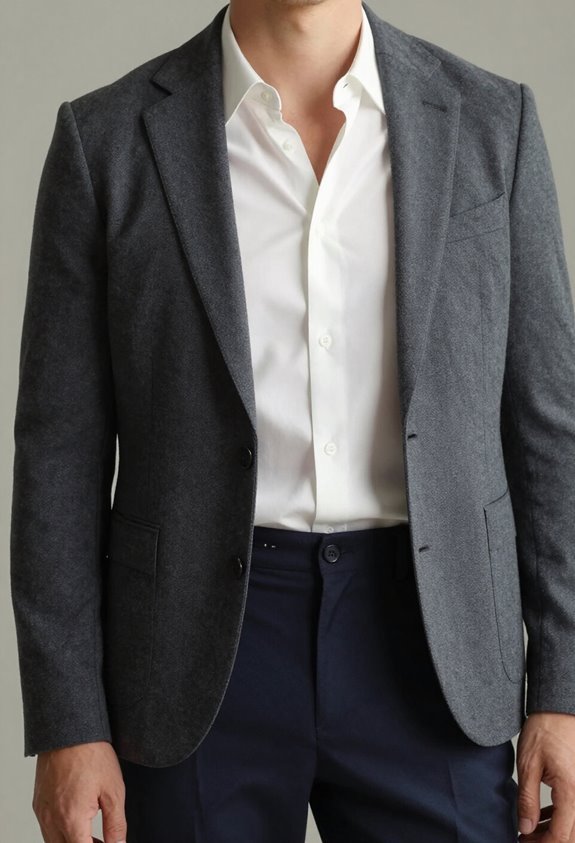
Sometimes the most powerful interview statement comes from refined restraint rather than complex layering. A structured blazer in navy or charcoal creates immediate authority and polish. Pair it with a crisp white button-down shirt, ensuring proper fit through the shoulders and torso. Quality basics matter tremendously here. Add tailored trousers in matching neutrals, pressed to perfection with a sharp crease. Complete this ensemble with leather flats or low heels in black. Fashion expert Sarah Chen notes, “Simplicity communicates confidence and professionalism without distraction.” This combination projects competence while allowing personality to shine through without overwhelming the room with unnecessary details.
Frequently Asked Questions
What Shoes and Accessories Should I Wear to Complement My Interview Outfit?
Closed-toe leather shoes in black or navy convey professionalism. Minimal jewelry works best—a watch and small earrings suffice. A structured bag completes the look while maintaining a polished, understated appearance that emphasizes competence.
How Do I Know if My Outfit Fits Properly Before the Interview?
One should try the outfit on completely and assess movement freely through all motions. The garment should feel comfortable without pulling, bunching, or excessive looseness anywhere on the body.
Should I Wear Makeup and Nail Polish to a Professional Interview?
Makeup and nail polish are generally appropriate for professional interviews. Natural makeup enhances appearance while polished nails demonstrate grooming attention. Industry norms vary; conservative fields favor minimal makeup, while creative industries allow more expression.
What if the Company’s Dress Code Is Unclear or Not Specified?
When dress code remains unspecified, candidates should default to business professional attire. Researching the company’s website, social media, and contacting HR provides guidance. Conservative choices—blazers, dress pants, closed-toe shoes—ensure appropriateness across most industries.
How Can I Stay Comfortable and Confident in My Outfit During Interviews?
One should prioritize well-fitting garments that allow unrestricted movement and select fabrics promoting breathability. Practicing in the outfit beforehand builds familiarity and confidence. Proper grooming and appropriate footwear enhance overall composure during interviews.
Conclusion
Selecting the right interview outfit requires balancing professionalism with personal authenticity. Quality fabrics in neutral tones create versatile foundations for any industry. Tailored blazers, structured dresses, and polished accessories communicate competence and readiness. The goal remains consistent: dress one level above the position’s daily standard. This strategic approach builds confidence while demonstrating respect for the opportunity ahead.