

You left the salon with rich, glossy brown hair. Three weeks later you are standing in bathroom light wondering why the ends look orange. That fade is not bad dye and it is not your fault. Brunette shades are built on cool pigments that rinse out faster than the warm ones underneath, so as the dye washes away, the brass that was always in your hair rises to the surface.
Learning how to maintain brunette hair color comes down to a short list of habits, not a shelf of expensive bottles. This guide walks you through what to change on wash day, what to do between washes, and what to keep away from your hair entirely. You will slow the fade, hold the tone, and stretch the time between salon visits from four weeks to eight or ten.
None of this is hard. Most of it takes seconds. The biggest changes are your water temperature and how often you wash, and both of those cost nothing. Set aside about 15 minutes on your next wash day to get the routine down, plus 20 minutes once a week for a mask. Grab a notepad if you are shopping, because Step 2 needs one specific thing from the store.
What You Need
- Sulfate-free shampoo for color-treated hair
- Matching color-safe conditioner
- Color-depositing mask in a cool brown tone
- Heat protectant spray
- Microfiber hair towel or cotton T-shirt
- Wide-tooth comb
- Leave-in conditioner with UV filter
- Dry shampoo in a dark or tinted formula
- Old towel you do not mind staining
- Hair clip or claw clip
- Shower filter (optional, for hard water)
- Swim cap or leave-in oil for pool days
At a Glance
- Wait 72 hours before your first wash
- Swap your shampoo for a sulfate-free formula
- Turn your shower water down to lukewarm
- Cut washing back to two or three times a week
- Shampoo the roots only and leave the ends alone
- Rinse the last 30 seconds with cold water
- Squeeze your hair dry in a microfiber towel
- Add a color-depositing mask once a week
- Spray heat protectant before any hot tool touches your hair
- Cover your hair in strong sun and before you swim
- Book a gloss every four to six weeks
Wait 72 hours before your first wash
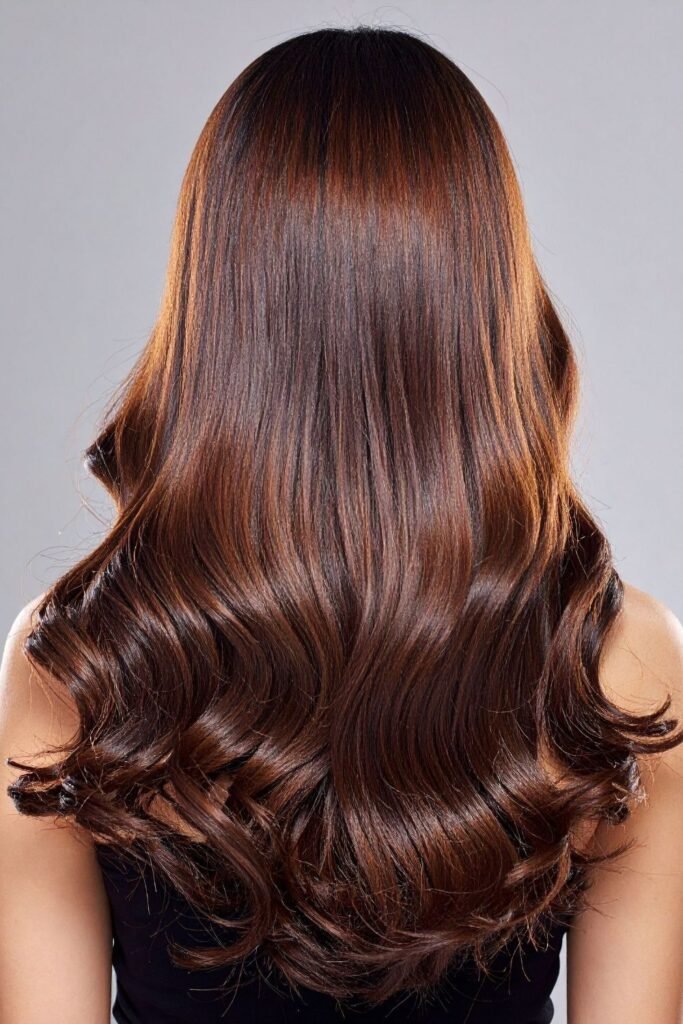
Fresh color has not settled yet. The dye molecules are sitting inside the hair shaft while the cuticle is still slightly open, and water in the first three days rinses a real amount of that pigment straight down the drain. 72 hours gives the cuticle time to close and lock the tone in.
If your roots get oily before then, reach for dry shampoo instead of the shower. Look for a dark or tinted formula so you are not left with a gray cast on brown hair.
Swap your shampoo for a sulfate-free formula
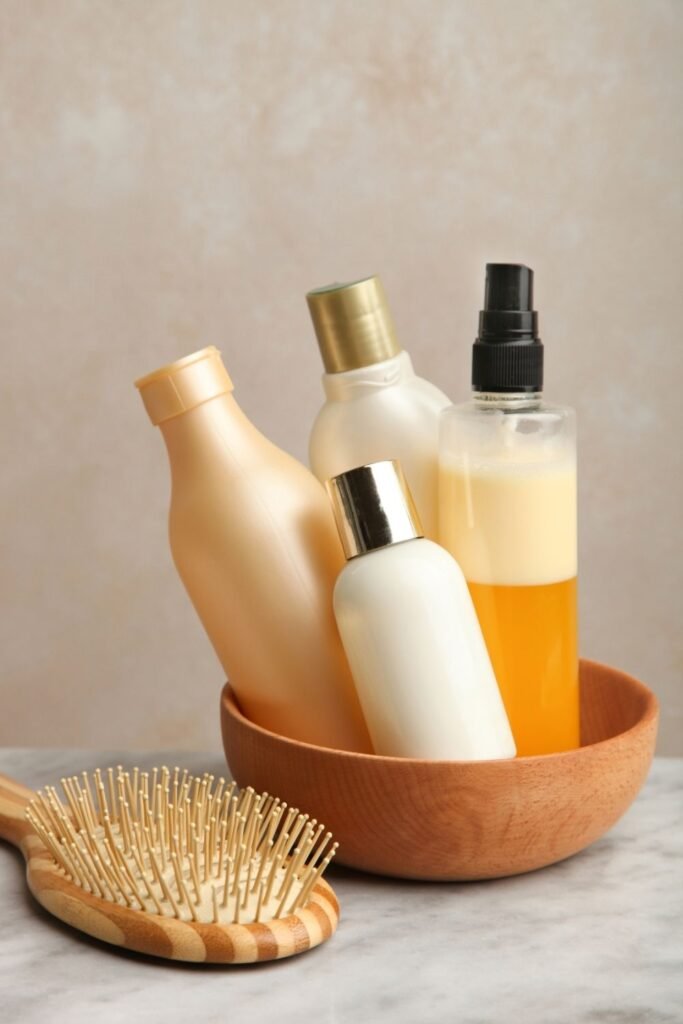
Sodium lauryl sulfate and sodium laureth sulfate are the two ingredients doing the damage. They strip oil, which is their job, but they strip dye along with it. Flip your current bottle over and scan the first five ingredients.
Look for a bottle that says sulfate-free and color-safe on the front. Pick up the matching conditioner while you are there, since the pH of a matched pair helps the cuticle lie flat. Expect to pay a little more per bottle and use less of it.
Turn your shower water down to lukewarm

Heat opens the cuticle. An open cuticle lets color escape. Your hair does not need hot water to get clean, and dialing it back is the single change that buys you the most weeks of color.
Aim for a temperature that feels barely warm on the inside of your wrist, somewhere near 38°C or 100°F. Wash your hair first while the water is still cool, then turn the heat up for the rest of your shower once your hair is rinsed and clipped up out of the spray.
Hot water and hard water together fade brunette color twice as fast. If your shower leaves a white film on the glass, you have hard minerals in your water, and they build up on dyed hair as a dull orange film. A screw-on shower filter costs about the price of one salon visit and lasts around six months.
Cut washing back to two or three times a week
Three washes a week is the ceiling for freshly colored brunette hair. Two is better. Every extra wash costs you roughly a week of tone at the ends, where the hair is oldest and most porous.
Your scalp will feel greasy for the first ten days or so while oil production settles down. That phase passes. Push through it with dry shampoo at the roots, a low bun on day three, and a wash on the days you actually need one rather than the days you are used to.
Shampoo the roots only and leave the ends alone
Where does the grease actually sit? At your scalp, in a band about two inches wide. That is the only part that needs shampoo. The lather rinsing down through your lengths cleans them plenty on its own, and scrubbing the ends directly is how brunettes end up orange by week three.
Work a coin-sized amount into your scalp with your fingertips, not your nails. Let the suds slide down as you rinse. Then condition the opposite way, from your ears down, keeping conditioner off the scalp entirely.
Clip your lengths up in a claw clip while you shampoo the roots. It sounds fussy for about two seconds, then it becomes automatic, and it stops you absentmindedly scrubbing the ends out of habit.
Rinse the last 30 seconds with cold water
Cold seals what warm water opened. Give your hair a final 30 seconds under cool water after your conditioner rinses out, and the cuticle flattens against the shaft. Flat cuticle means less pigment escaping and noticeably more shine in the mirror.
If cold water on your scalp is unbearable, lean forward and rinse the lengths only.
Squeeze your hair dry in a microfiber towel
Terrycloth is rougher than it looks. Those little loops catch the cuticle and lift it, which roughs up the surface and lets tone wash out faster over time. Wet hair is at its most fragile, so this is the wrong moment for friction.
Press the water out in sections instead of rubbing. A microfiber towel or an old cotton T-shirt both work. Leave it wrapped for five minutes, then comb through with a wide-tooth comb, starting at the ends and working up.
Add a color-depositing mask once a week
If your brown is drifting warm around week two, a color-depositing mask is what pulls it back. These sit somewhere between a conditioner and a very gentle dye, laying a thin veil of pigment over the outside of the hair. They do not damage anything and they wash out gradually, which means a mistake here is temporary.
Choose a cool or neutral brown tone rather than anything labeled chocolate or caramel, since warm shades will push you further toward brass. On mask day:
- Wash and squeeze your hair until it is damp, not dripping
- Wear gloves and apply from mid-length to ends first
- Comb it through so the color sits evenly
- Set a timer for 10 minutes on your first try
- Rinse in cool water until it runs clear
Start short. You can always leave it on longer next week once you see how your hair takes the pigment.
Lay an old towel across your shoulders and wipe a thin smear of conditioner along your hairline and ears before you apply. The pigment slides off skin instead of staining it, which saves you scrubbing at a brown ear for ten minutes afterward.
Spray heat protectant before any hot tool touches your hair
Skip this and a straightener at 200°C or 400°F will cook the pigment out of your hair in a single pass. Heat fades color from the inside, and the damage shows up as dryness first and brassiness second.
Mist protectant over damp hair before you blow dry, and again on dry hair before a straightener or curling iron. Hold the bottle about 8 inches away and work in sections so you actually cover the underneath layer, not only the top.
Cover your hair in strong sun and before you swim
Sunlight bleaches dyed hair the same way it fades a curtain, slowly and unevenly, with the top layer going first. Chlorine does it faster and adds a green cast to the mix.
Work a leave-in conditioner with a UV filter through your lengths on bright days, and wear a hat when you are outside for more than an hour. Before a pool, soak your hair in clean tap water and coat it in leave-in oil. Hair that is already full of fresh water absorbs far less chlorinated water.
Do not leave chlorine sitting in your hair until you get home. Rinse within 20 minutes of getting out of the pool, then shampoo properly that evening. Chlorine keeps reacting with your color while it dries in, and the green tint it leaves on brunette hair is much harder to correct than a normal fade.
Book a gloss every four to six weeks
A gloss is not a full color service. Your stylist coats the hair in a clear or tinted demi-permanent that refreshes tone and adds shine, usually in 20 to 30 minutes and at a fraction of the price of a full dye.
Book it for four to six weeks after your color while the base is still good. Waiting until you hate your hair means paying for a full color instead.
Frequently Asked Questions
A few things come up again and again once people start changing their wash routine. Here are the answers to the questions brunettes ask most in the first month after coloring.
Why does my brown hair turn orange instead of just getting lighter?
Brown hair is not one single pigment. Underneath the brown sits a layer of warm red and orange pigment that lives naturally in almost everyone’s hair. When your colorist dyes you brunette, they add cool pigment on top to balance that warmth out. Cool pigment is made of smaller molecules than warm pigment, so it washes out first. What you are seeing at week three is not new orange appearing. It is the orange that was always there becoming visible once the cool tones have rinsed away. That is exactly what a color-depositing mask or a salon gloss puts back.
Can I use purple shampoo on brunette hair?
Purple shampoo is built for blonde hair, where the unwanted tone is yellow. On brunette hair the unwanted tone is usually orange or red, and the color that cancels orange is blue, not purple. Using purple shampoo on brown hair will not hurt anything, but you will not see much difference either. Look for a blue shampoo or a blue-toned mask instead. Start with once a week, because blue pigment builds up quickly on porous ends and can leave them looking slightly dull or ashy if you overdo it.
How long should brunette color actually last before it needs redoing?
With the routine in this guide, expect eight to ten weeks before you need a full color again, and a gloss somewhere around week five to carry you through. Without the routine, most people are back in the chair at four weeks. Two things shorten that window regardless of what you do: how much lightener was used to get your shade, and how porous your hair already was. If your colorist lifted your natural level more than two shades, the color has less to grip and will fade faster no matter how carefully you wash.
Does washing my hair less often really make a difference?
It makes the biggest difference of anything on this list, along with water temperature. Every wash opens the cuticle and lets a small amount of dye out, and those losses add up fast. Going from daily washing to three times a week roughly halves the rate you lose pigment. The awkward part is the first ten days, when your scalp is still producing oil on its old schedule and your roots look greasy by the afternoon. Dry shampoo covers that stretch. After about two weeks your scalp adjusts and the greasy feeling settles down on its own.
Will hard water fade my color even if I do everything else right?
Yes, and it is the reason some people follow every rule and still watch their brown go dull. Hard water carries calcium and magnesium that deposit on the hair shaft with every rinse, building a mineral film that both blocks shine and pulls color out over time. On brunettes the effect usually reads as flat, slightly rusty hair rather than obvious fading. A shower filter is the fix, and a clarifying treatment made for mineral buildup once a month will strip what has already settled in. Use that clarifying wash on a day when you plan to follow it with a color-depositing mask.
Quick Reference Card
Brunette color maintenance at a glance
- Sulfate-free shampoo and matching conditioner
- Cool-toned color-depositing mask
- Heat protectant spray
- Leave-in conditioner with UV filter
- Microfiber towel and wide-tooth comb
- Tinted dry shampoo
- Wait 72 hours before the first wash
- Use sulfate-free shampoo only
- Keep water lukewarm, near 38°C or 100°F
- Wash two to three times a week, no more
- Shampoo roots only, condition ends only
- Rinse cold for the final 30 seconds
- Squeeze dry in microfiber, never rub
- Color-depositing mask once a week, 10 minutes
- Heat protectant before every hot tool
- UV leave-in in sun, rinse and oil before swimming
- Book a gloss every four to six weeks
You are set
That is the whole routine, and none of it takes more than a few extra seconds in the shower. Knowing how to maintain brunette hair color is mostly about what you stop doing: hot water, daily washing, scrubbing the ends.
Give it one full month before you judge the results. Your first color-depositing mask is the step to try this week, because it shows a difference immediately.
