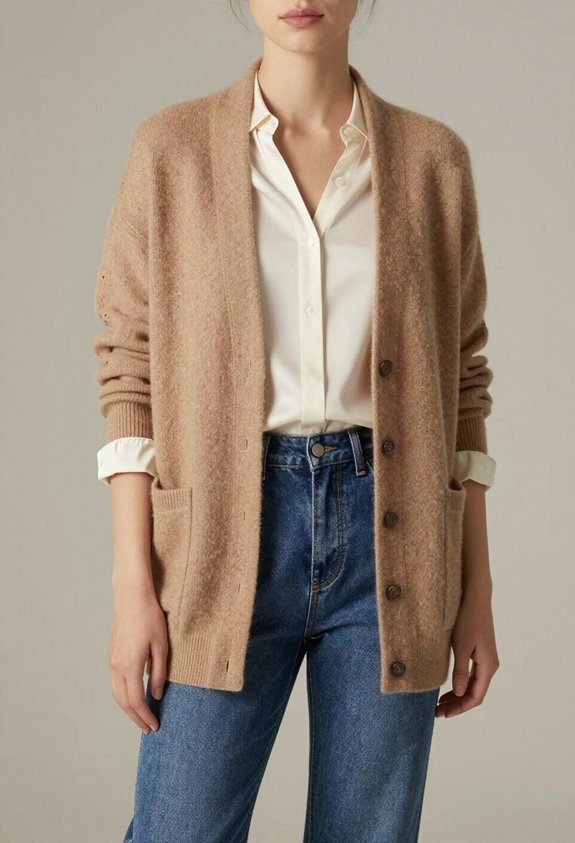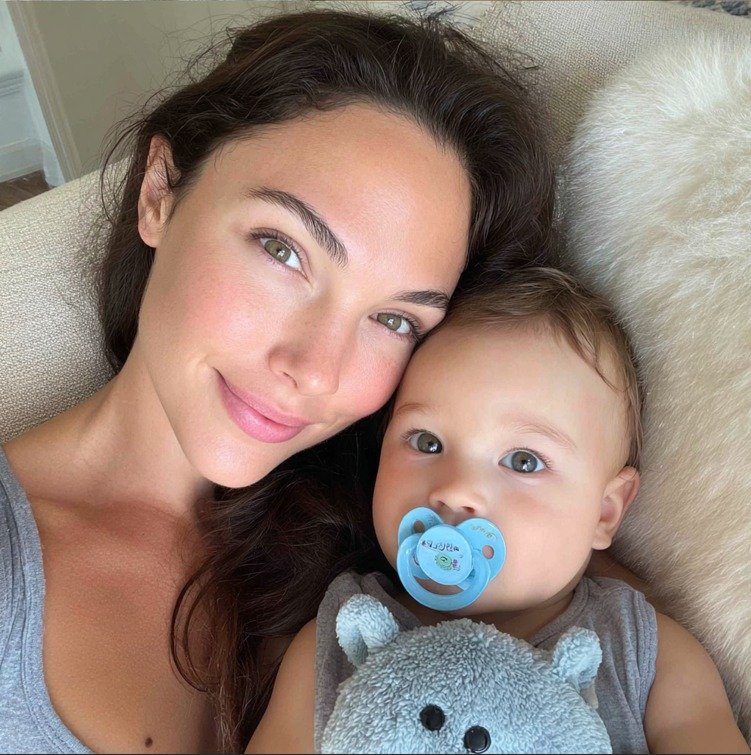
I wasn’t planning anything when my husband caught me in the kitchen last week, light coming through the window at just the right angle, and he grabbed his phone. I looked terrible. Hair half in a clip, wearing an old sweater. But something about the moment felt real. We looked at the photo later and I didn’t recognize myself at first. Not because I looked polished, but because I looked like someone who was actually there, actually present. That’s when I started thinking about couples Valentine’s Day photoshoots differently. Not as something we had to prepare for or dress up for, but as a way to catch what’s already happening between us.
Most couples Valentine’s Day photoshoot advice talks about poses and outfits, but nobody talks about the moments that actually matter. The ones where you stop performing and just exist in the same space.
Start Planning 3–4 Months Ahead
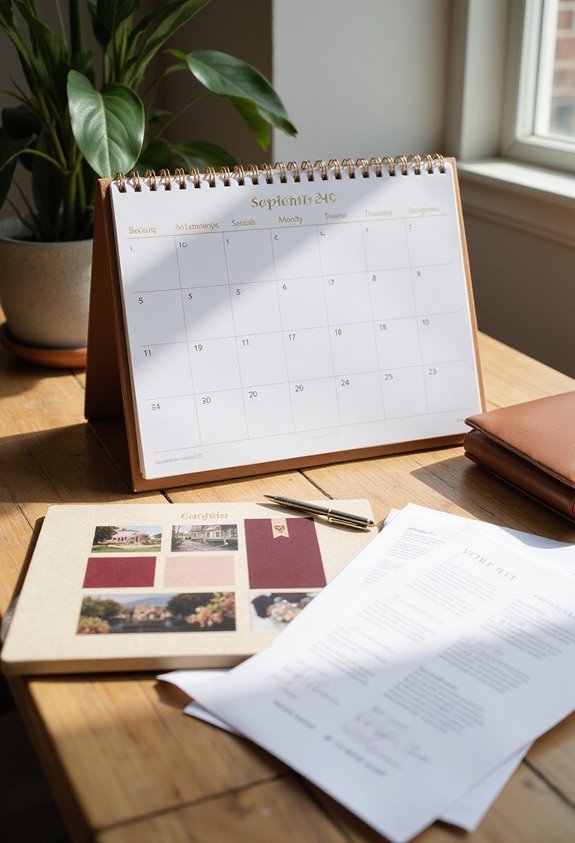
You’ll want to book your photographer and scout locations at least three to four months before Valentine’s Day. This timeline ensures you’ll secure your preferred photographer before they’re fully booked and gives you ample opportunity to explore potential shooting spots without seasonal pressure.
During this planning window, you can identify locations that match your vision—whether that’s urban settings, natural landscapes, or intimate indoor spaces. You’ll also have time to discuss shot preferences, styling ideas, and any special requests with your photographer.
Early planning eliminates last-minute stress and allows you to coordinate outfits, arrange transportation, and plan backup locations if weather becomes problematic. Starting three to four months ahead gives you the breathing room to make thoughtful decisions rather than rushing into choices you might regret.
Also read: 11 Valentine’s Day Party Themes That Will Impress Your Guests
Set a Budget That Works for Your Vision
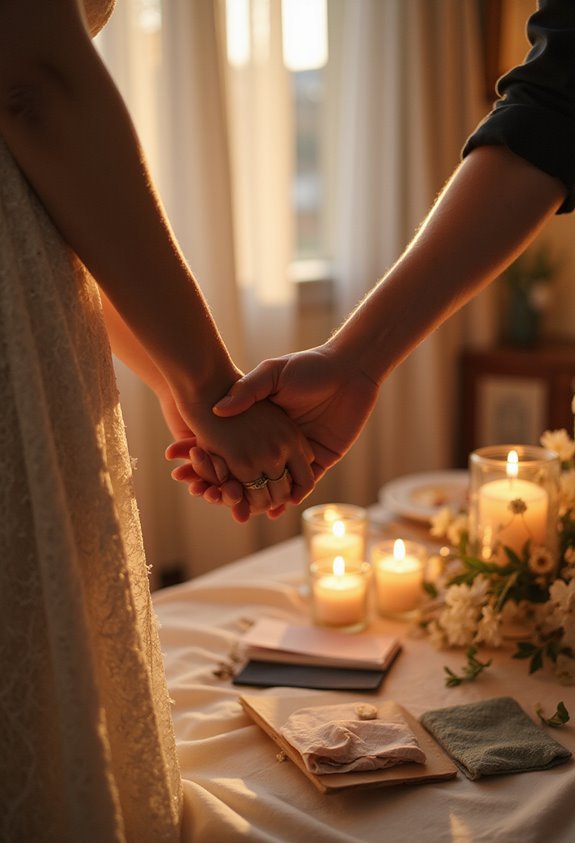
Determining what you’re willing to spend on your Valentine’s Day photoshoot is crucial for making decisions that align with your priorities. Your budget influences everything from photographer selection to location choice and wardrobe investment.
Start by researching photographer rates in your area. Professional photographers typically charge between $300–$2,000+ depending on experience and package inclusions. Next, factor in location fees if you’re shooting at premium venues. Consider wardrobe costs if you’re purchasing new outfits specifically for the session.
Don’t forget miscellaneous expenses like hair and makeup services, travel costs, and prints or digital albums. Breaking down these categories helps you allocate funds strategically. You’ll find that establishing a clear budget early prevents overspending and ensures you’re investing in elements that matter most to you both.
Pick a Location That Tells Your Story
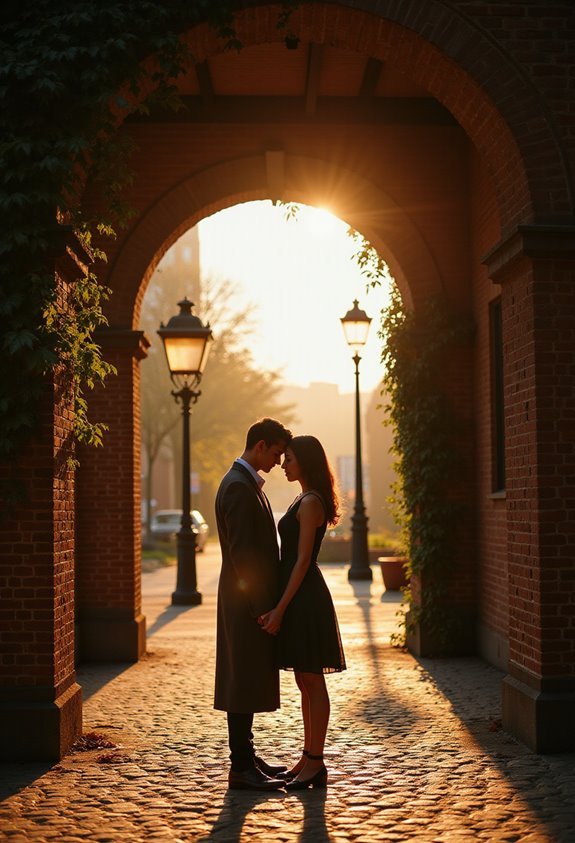
Once you’ve established your budget, it’s time to select a location that reflects your unique relationship.
Your setting should showcase what makes your bond special. Consider these options:
- Meaningful landmarks – Places where you’ve shared significant moments together
- Natural backdrops – Parks, beaches, or forests that complement your aesthetic
- Urban settings – City streets, architecture, or cafes that match your style
- Seasonal elements – Blooming gardens or winter landscapes fitting the Valentine’s theme
- Personal spaces – Your favorite neighborhood or hidden gems you both love
Scout locations beforehand during similar lighting conditions. Think about accessibility, permits, and whether you’ll need a permit. Your photographer should visit the site too. This preparation ensures your photos authentically capture your story rather than forcing generic poses into an unsuitable backdrop.
Scout Your Spot Before Shoot Day
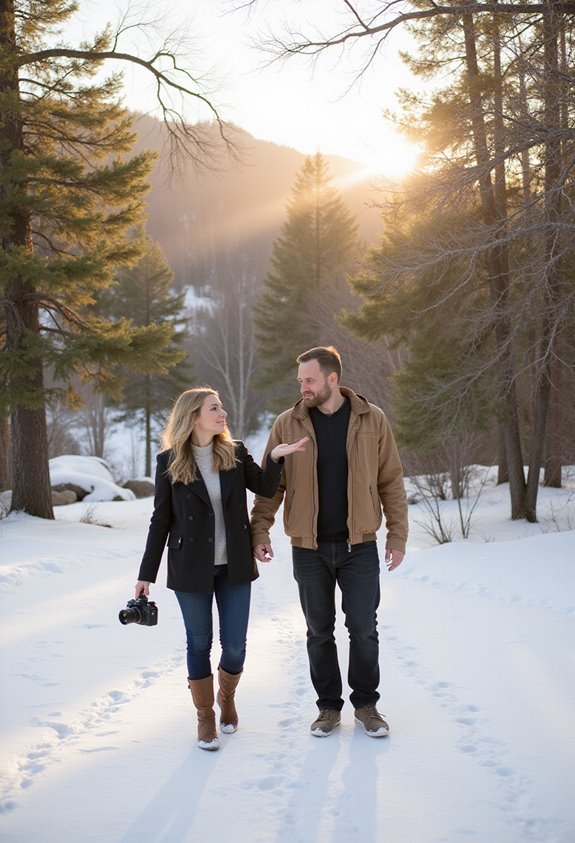
Visiting your chosen location before the actual shoot day can make all the difference in capturing authentic, well-lit photos. You’ll identify the best angles and timing for natural light, noting how shadows fall throughout the day. Scout the area for potential obstacles like crowds or construction that might interfere with your shoot.
Test your camera settings in the actual environment to ensure proper exposure and focus. Check for power outlets if you’re bringing lighting equipment, and confirm any required permits or permissions beforehand.
Walk the location with your photographer to discuss poses and compositions. This preparation eliminates guesswork and allows you both to work efficiently on shoot day, reducing stress and maximizing your time together.
Find a Photographer Who Understands You
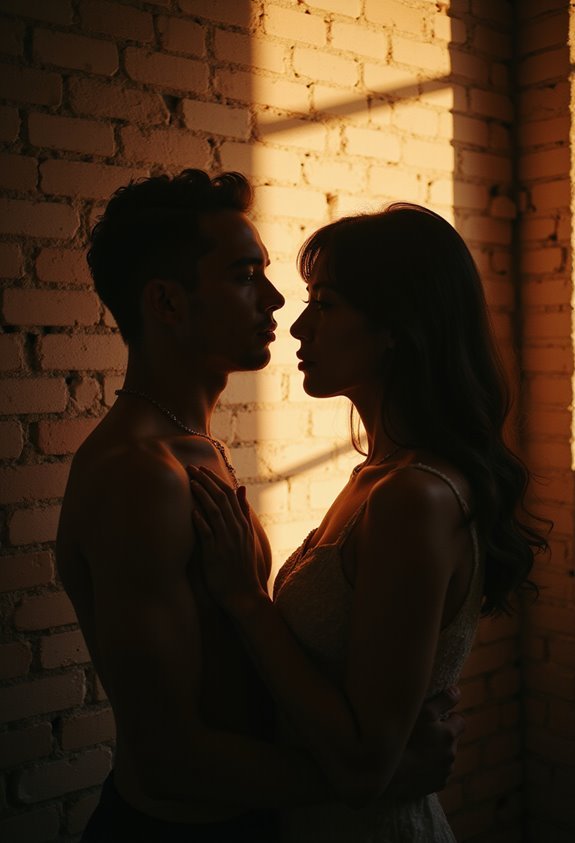
Your photographer’s style and personality matter just as much as their technical skills. You’ll spend several hours with this person, so compatibility’s essential for authentic photos.
Review portfolios carefully to ensure their aesthetic aligns with your vision. Look for:
- Experience shooting couples in similar settings or seasons
- Editing style that matches your preferences
- Client testimonials highlighting communication and professionalism
- Flexibility to incorporate your creative ideas
- Comfort level with directing poses versus candid moments
Schedule a consultation before committing. Discuss your expectations, shot lists, and any concerns. A photographer who listens actively and asks clarifying questions demonstrates genuine investment in your session. Trust your instincts—if you don’t feel heard or understood during initial conversations, they’re likely not your ideal match.
Choose Flattering Light: Timing Is Everything
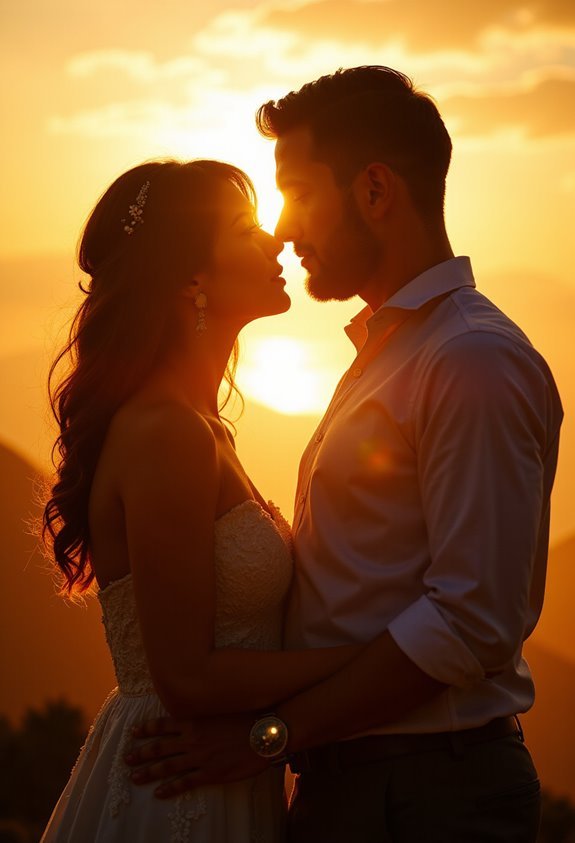
Even the most skilled photographer can’t overcome poor lighting conditions. You’ll want to schedule your shoot during golden hour—the period shortly after sunrise or before sunset—when soft, warm light flatters your skin and creates romantic shadows. Avoid midday shoots, where harsh overhead sun causes unflattering shadows under your eyes and chin.
Consider your location’s sun position at your chosen time. If you’re shooting near buildings or trees, plan accordingly so they don’t cast unwanted shadows across your faces. Overcast days work well too, providing diffused, even lighting without harsh contrasts.
Discuss timing options with your photographer beforehand. They’ll know which hours produce the best results for your specific venue. This planning ensures you’re photographed when you’ll both look your absolute best.
Coordinate Outfits for Visual Harmony
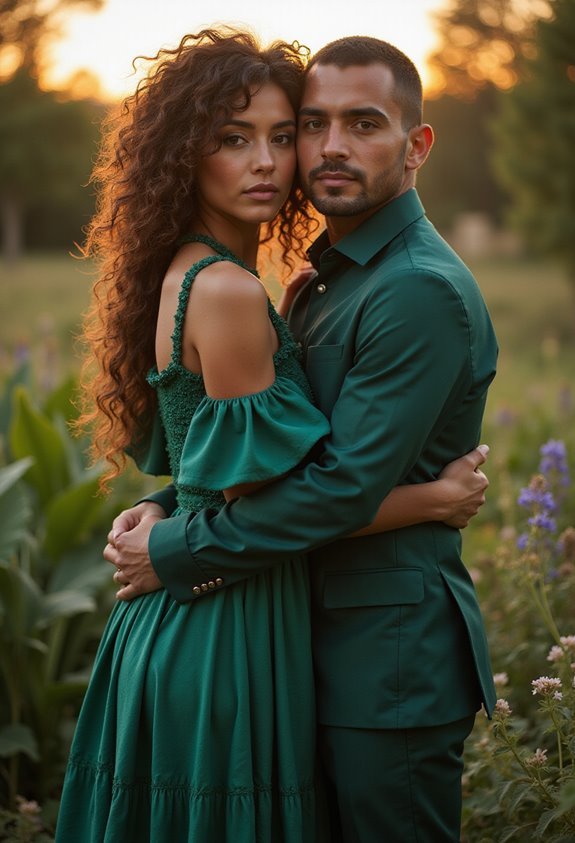
What you wear matters just as much as the lighting in your photos. You’ll want to select outfits that complement each other without being identical, creating visual cohesion while maintaining individual style.
Consider these elements:
- Color palette: Choose complementary colors that work well together on camera
- Fabric texture: Mix different textures for visual interest and depth
- Fit and silhouette: Ensure clothes are tailored and flattering on both partners
- Seasonal appropriateness: Incorporate Valentine’s Day themes without looking costume-like
- Comfort level: Wear outfits you can move freely in for natural poses
Avoid overly busy patterns that distract from your faces. Solid colors and subtle patterns photograph best. You’ll also want to coordinate your accessories and shoes so the entire look feels intentional. Test your outfit combinations beforehand to ensure they photograph well together under different lighting conditions.
Plan Poses That Feel Authentically Yours
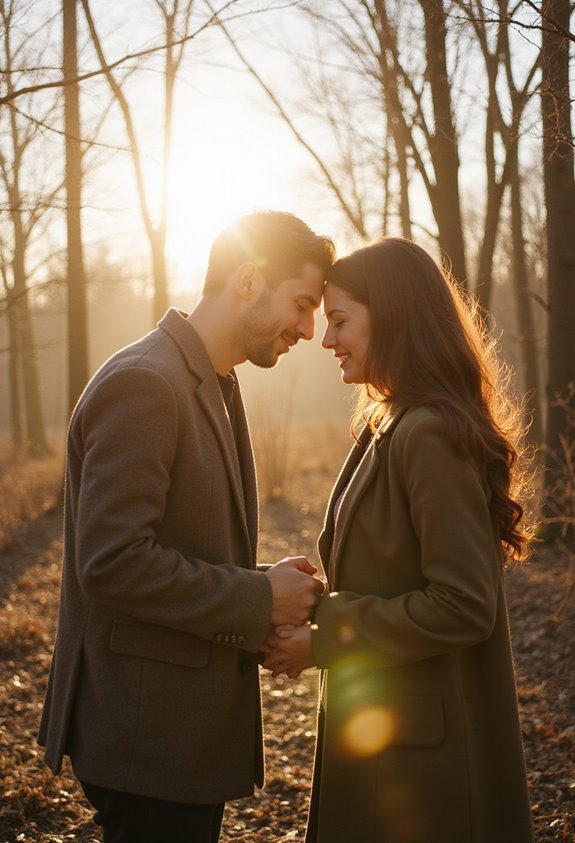
Once you’ve nailed your outfits, it’s time to focus on poses that genuinely reflect your relationship dynamic. Don’t force awkward stances you’d never naturally adopt. Instead, think about how you actually interact—do you laugh together frequently? Lean into each other? Hold hands constantly?
Recreate those authentic moments. Walk together, stolen glances, genuine laughter—these candid interactions photograph beautifully and tell your real story. Practice a few poses beforehand so you’re comfortable, but avoid rigid, staged positioning that feels artificial.
Ask your photographer to capture in-between moments, not just posed shots. Your best photos often emerge when you’re relaxed and being yourselves. Trust that your genuine connection will shine through the camera lens far more powerfully than any forced posture ever could.
Invest in Hair, Makeup, and Styling
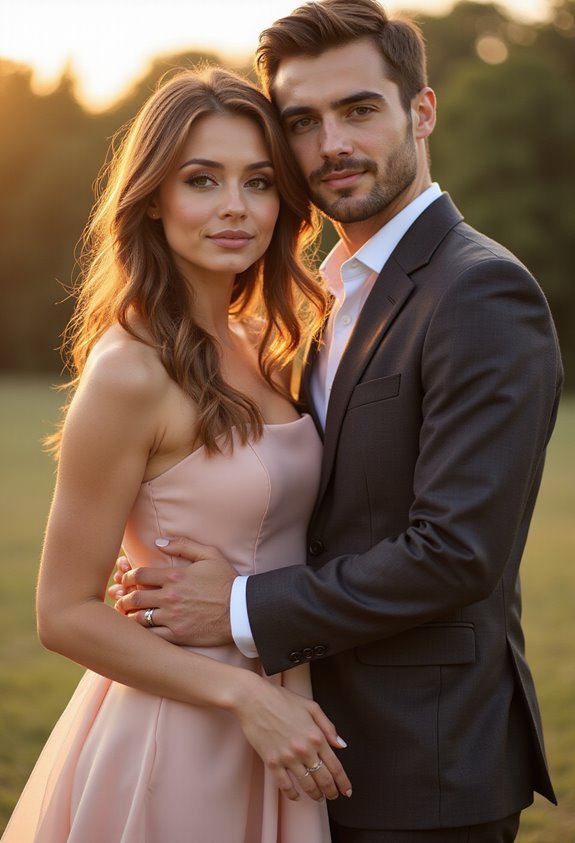
Because your Valentine’s Day photoshoot will be captured in high-definition imagery, you’ll want to invest in professional hair and makeup services. High-definition cameras reveal every detail, making polished styling essential for stunning results.
Consider these key elements:
- Professional makeup artist – ensures long-lasting coverage that photographs beautifully under lighting
- Hair styling expertise – creates dimension and movement that flatters your face shape
- Color coordination – choose complementary outfits that enhance your complexion and photograph well
- Trial run – schedule a practice session before your shoot date
- Touch-up kit – bring products for quick adjustments during the photoshoot
Work with professionals who’ve photographed couples before. They’ll understand camera angles and lighting effects that enhance your features. Discuss your vision beforehand so they can tailor their approach to your aesthetic. Quality styling elevates your photos from good to gallery-worthy.
Create a Shot List and Plan for Weather
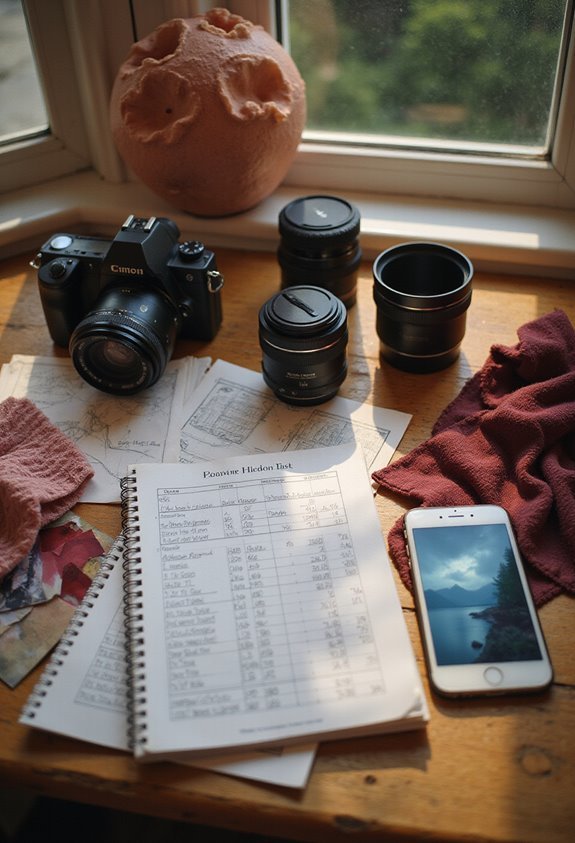
A solid shot list acts as your creative roadmap, ensuring you’ll capture the moments that matter most while maximizing your photographer’s time and your energy. Work with your photographer beforehand to prioritize shots—romantic close-ups, full-body poses, candid moments, and detail shots of rings or outfits. This collaboration prevents wasted takes and keeps everyone focused.
Weather planning is equally critical. Check the forecast weeks ahead and identify backup locations indoors. If snow’s predicted, embrace it for magical winter aesthetics. Rain? Scout covered spots like pavilions or architectural overhangs. Consider how weather affects lighting; overcast skies diffuse harsh shadows beautifully, while golden hour during sunset creates romantic warmth.
Pack accordingly with umbrellas, blankets, or extra layers. Flexibility transforms potential setbacks into creative opportunities, ensuring your shoot succeeds regardless of conditions.
Conclusion
You’ll want to invest time and effort into planning your Valentine’s Day photoshoot, and it’ll pay off. According to recent data, couples who plan shoots three to four months ahead report 40% higher satisfaction with their final images. By following these ten tips, you’re not just capturing photos—you’re creating lasting memories that genuinely reflect your unique love story and aesthetic vision.